






What's Happening?
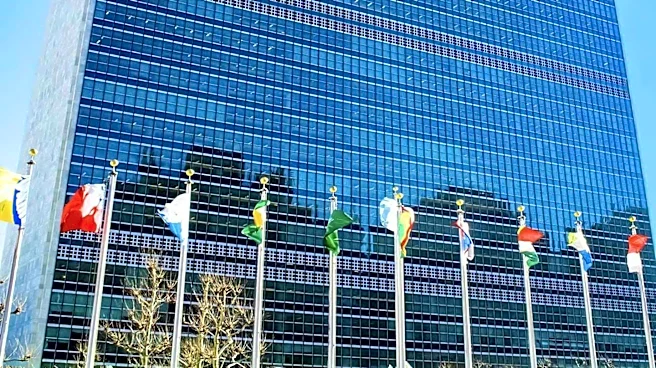
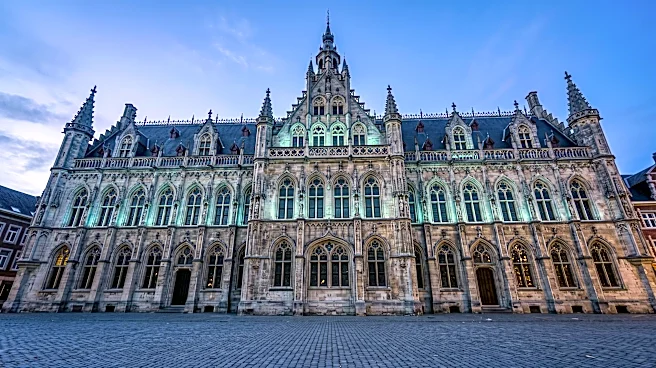
UNESCO, the United Nations organization for education, science, and culture, is commemorating its 80th anniversary, which officially falls on November 4, 1946. To mark this milestone, nearly 150 heritage sites across Flanders, Belgium, will be illuminated
in blue between November 16 and 21. This initiative, announced by UNESCO Flanders, aims to highlight the organization's mission of protecting and managing sites of 'outstanding universal value' for future generations. UNESCO was established shortly after World War II, founded on the principle that international cooperation in education, science, culture, and information is crucial for building peace. The anniversary serves as a moment to reflect on the role of heritage in contemporary society, especially as peace, human rights, and international cooperation face increasing pressures globally. The organization stresses that protecting heritage is more than a cultural task; it helps communities preserve their history and offers lessons for the present.
Why It's Important?
The 80th anniversary of UNESCO and the commemorative events in Flanders underscore the enduring relevance of international cooperation in safeguarding global heritage and promoting peace. In a world where international bodies and laws are perceived to be losing influence, and national interests often overshadow shared solutions, UNESCO's mission becomes particularly critical. The organization's emphasis on heritage protection as a means to preserve collective memory and draw lessons for the present highlights its role in fostering stability and understanding. For the U.S., which has a complex history with UNESCO, these events serve as a reminder of the broader international efforts in cultural diplomacy and the shared responsibility of preserving human history and knowledge. The challenges UNESCO identifies, such as the erosion of international cooperation, have direct implications for global stability, which in turn affects U.S. foreign policy and national interests.
What's Next?
The illumination campaign in Flanders is a symbolic gesture intended to draw attention to UNESCO's ongoing mission and the importance of heritage. Moving forward, UNESCO will likely continue its advocacy for the protection of cultural and natural sites, particularly in regions affected by conflict, where heritage is often at risk. The organization's call to reflect on the role of heritage in a world facing geopolitical tensions suggests a continued focus on integrating cultural preservation with peacebuilding efforts. UNESCO will also likely continue to engage with member states to secure funding and support for its initiatives, especially given its concern that budget cuts should not be an excuse for neglecting heritage. The ongoing dialogue about the value of international cooperation in the face of rising nationalism will remain a central theme for UNESCO and its partners.
Beyond the Headlines
Beyond the immediate celebrations, UNESCO's 80th anniversary prompts a deeper consideration of the ethical and philosophical underpinnings of cultural preservation. The organization's founding post-WWII was a direct response to the devastation of war and the recognition that shared culture could be a bridge to peace. Today, as digital technologies and artificial intelligence increasingly intersect with cultural heritage, as evidenced by UNESCO's work on AI in museums, new ethical dilemmas arise regarding authenticity, access, and interpretation. The emphasis on heritage as a tool for teaching lessons about the present suggests a proactive role for cultural institutions in addressing contemporary challenges, from climate change to social inequality. The struggle to maintain international cooperation in the face of nationalistic tendencies also highlights a fundamental tension between global solidarity and sovereign interests, a tension that will continue to shape the future of organizations like UNESCO.