






What's Happening?
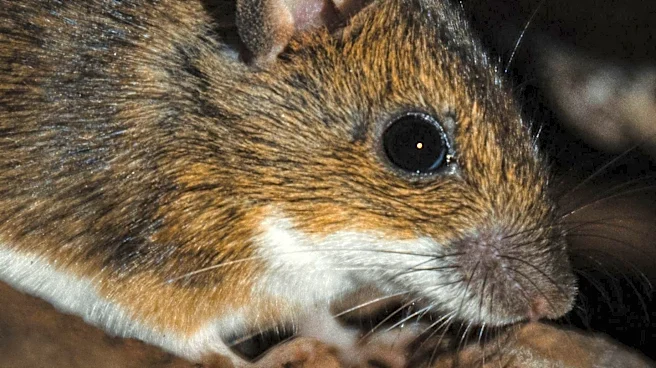
Communities near the Gaza Strip are experiencing a significant rise in rodent infestations, prompting sanitation officials to distribute hundreds of traps in an effort to control the problem. Residents have reported finding rodent droppings near children's
beds, and some individuals have required hospitalization due to injuries related to the infestation. The Eshkol Regional Council, which oversees the affected areas, is actively working to address the issue. The Health Ministry has indicated that the responsibility for managing the infestation lies with the Environmental Protection Ministry. The increase in rodent populations is attributed to a particularly rainy winter and extensive excavation work within the Gaza Strip, which has disturbed the rodents' natural habitats.
Why It's Important?
The rodent infestation poses significant health risks to the residents of the affected communities, as rodents can carry diseases and cause injuries. The situation highlights the challenges faced by border communities in managing environmental and health issues that cross national boundaries. The infestation also underscores the need for effective coordination between various governmental agencies to address public health concerns. The ongoing excavation work and environmental conditions contributing to the rodent problem may require long-term solutions to prevent future outbreaks.
What's Next?
Efforts to control the rodent population will likely continue, with the Eshkol Regional Council and other authorities exploring additional measures to mitigate the infestation. The Environmental Protection Ministry may need to implement more comprehensive strategies to address the root causes of the problem, such as habitat disruption due to excavation. Community engagement and education on preventive measures could also play a role in managing the situation. Monitoring and assessment of the infestation's impact on public health will be crucial in determining the effectiveness of the response.