


What's Happening?
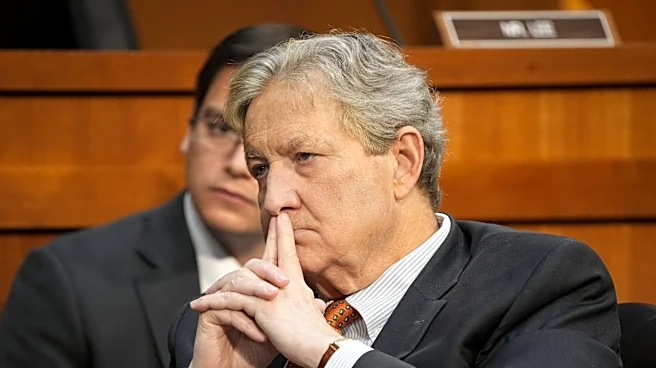
A bipartisan effort in the U.S. Senate to prevent the demolition of the Kennedy Center was blocked by Senator Mike Lee (R-UT). The bill, known as the "Protecting Presidential Memorials Act," was introduced by Senator Jeff Merkley (D-OR) and co-sponsored
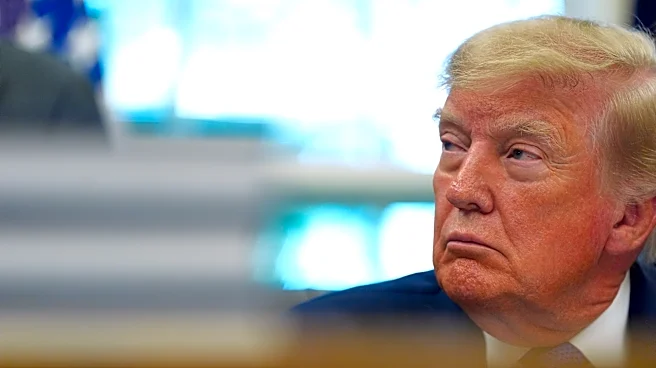
by Senator Lisa Murkowski (R-AK), along with Democratic Senators Jack Reed, Sheldon Whitehouse, and Chris Van Hollen. It aimed to require congressional approval before any federally designated presidential memorial, including the Kennedy Center, could be demolished. The bill was brought to the Senate floor for a unanimous-consent vote, a fast-track procedure that allows a bill to pass if no senator objects. Senator Lee, however, objected to the measure, preventing its passage. This action follows a controversial period where President Trump was photographed reviewing a poster that appeared to read "Kennedy Center DEMOLISHED," and his administration subsequently informed a judge that the institution needed to close due to "structural deterioration." Senator Merkley accused President Trump of wanting to demolish the center if he couldn't rename it after himself.
Why It's Important?
This event highlights a significant political and cultural clash over the preservation of national landmarks and the separation of powers. The Kennedy Center, a presidential memorial, holds considerable cultural and historical significance for the U.S. The attempt to pass the "Protecting Presidential Memorials Act" reflects a concern among lawmakers that such institutions could be vulnerable to executive actions without congressional oversight. Senator Merkley's statement, "This is standing up for the rule of law, the separation of powers, and the fact that we are a republic," underscores the broader implications of this legislative effort. The blockage of the bill by a single senator, despite bipartisan support, demonstrates the procedural hurdles in the Senate and the power of individual members to impede legislation. This situation also brings to light the ongoing legal and political battles surrounding the Kennedy Center, which has been closed for renovations and has faced proposals for changes from the Trump administration, sparking controversy and legal challenges. The outcome could set a precedent for how future presidential memorials are protected or altered.
What's Next?
With Senator Lee's objection, the "Protecting Presidential Memorials Act" cannot pass through the unanimous-consent procedure. For the bill to advance, it would need to go through the regular legislative process, which typically involves committee review, debate, and a full vote in both the Senate and the House of Representatives. Senator Lee suggested that the effort should go through "the appropriate committee process," indicating a preference for a more traditional legislative path. This means the bill's future is uncertain and could face significant delays or further opposition. Meanwhile, the legal and political saga surrounding the Kennedy Center is expected to continue. The center remains closed, and its future is subject to ongoing legal battles and potential further actions from the Trump administration. Stakeholders, including cultural heritage organizations, lawmakers, and the public, will likely continue to monitor developments closely and advocate for the preservation of the memorial.
Beyond the Headlines
The controversy surrounding the Kennedy Center and the attempt to pass the "Protecting Presidential Memorials Act" delves into deeper questions about national identity, historical memory, and the role of cultural institutions in a democratic society. The perceived threat to a presidential memorial, particularly one named after John F. Kennedy, touches on the collective memory of the nation and the respect accorded to past leaders. The debate also highlights the tension between executive authority and legislative oversight, especially concerning federal property and cultural heritage. Ethically, the discussion raises questions about the appropriate use of presidential power and the responsibility to preserve national symbols. Culturally, the Kennedy Center represents a significant hub for arts and culture in the U.S., and any threat to its existence or integrity can be seen as an attack on the nation's artistic legacy. The long-term implications could involve a re-evaluation of the legal protections for national monuments and memorials, potentially leading to stronger legislative safeguards against unilateral executive actions.