




What's Happening?
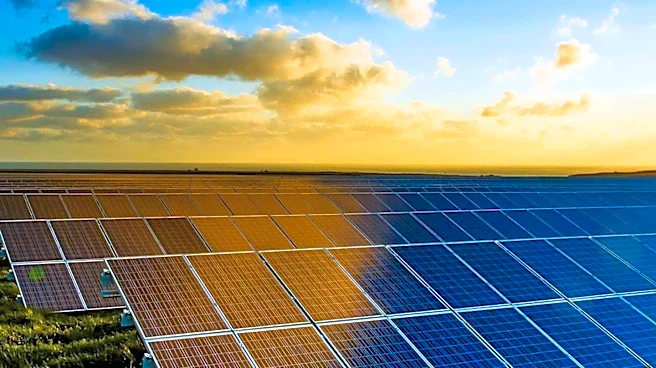
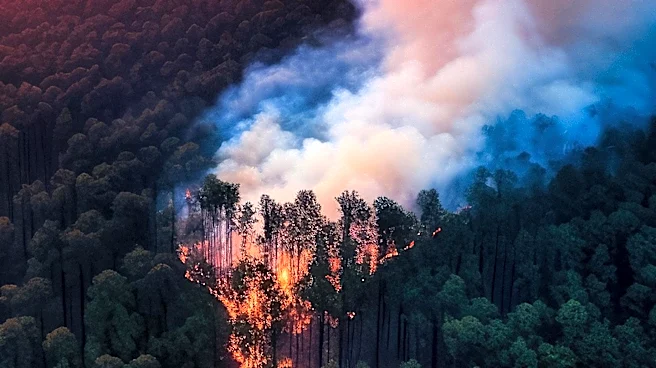
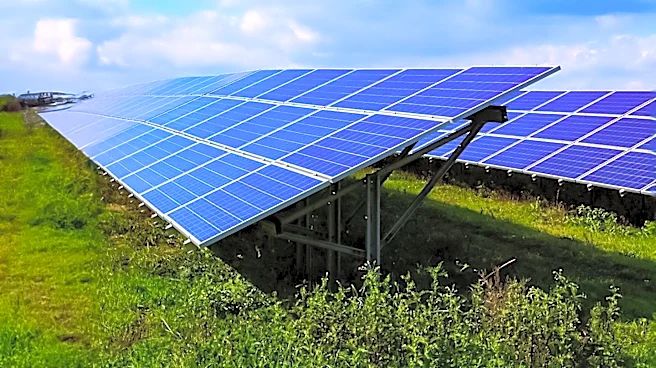
A study has found that smoke from the 2023 Canadian wildfires caused a 3% drop in solar power generation in both Europe and North America, resulting in nearly $2 billion in economic losses. The smoke reduced sunlight reaching solar panels, leading to
increased reliance on fossil fuels and higher CO2 emissions. The study highlights the broader impacts of wildfires on energy production and the environment, with Europe experiencing greater financial losses due to higher electricity prices.
Why It's Important?
The findings emphasize the interconnectedness of environmental events and energy production, illustrating how wildfires can have far-reaching economic and environmental consequences. The reduction in solar power generation underscores the vulnerability of renewable energy sources to climate-related disruptions. This situation highlights the need for diversified energy strategies and improved resilience against environmental impacts, as well as the importance of addressing climate change to mitigate such events.
What's Next?
As wildfires are expected to become more frequent and intense due to climate change, energy sectors in affected regions may need to develop strategies to mitigate the impact on renewable energy production. This could involve investing in technologies that enhance the resilience of solar panels to smoke and other environmental factors. Policymakers may also need to consider the broader implications of wildfires on energy security and climate goals, potentially leading to increased investment in climate adaptation and mitigation measures.
Beyond the Headlines
The study highlights the need for a comprehensive understanding of how environmental events like wildfires can affect various sectors, including energy, health, and agriculture. It also raises questions about the adequacy of current climate policies and the need for more robust strategies to address the multifaceted impacts of climate change. The economic losses associated with reduced solar power generation could prompt a reevaluation of energy pricing and investment strategies to better account for environmental risks.