





What's Happening?
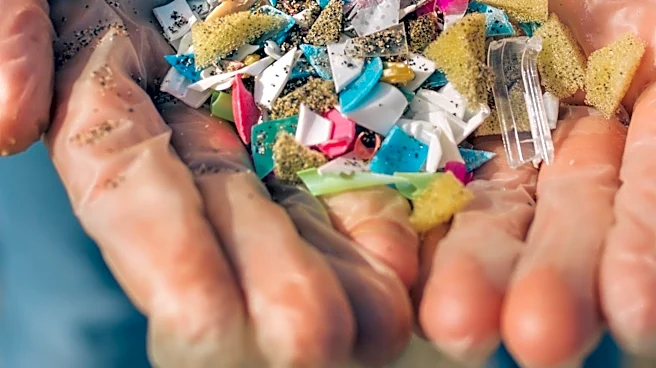
A UC Riverside environmental scientist, Alexsandra Karapetrova, has found microplastics in snow samples collected from remote areas of the Sierra Nevada mountains. Her research, detailed in a new paper co-authored with 13 colleagues, indicates that microplastics are present
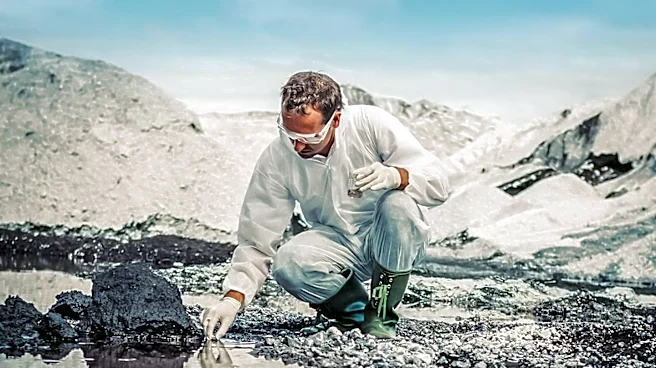
at every sampled site, even those far from human activity. Karapetrova, an experienced alpine enthusiast, skied dozens of miles into the Sierra's deepest reaches in spring 2024 to collect samples of freshly fallen snow. The study reveals that storms act as a 'scrub brush' for the sky, scavenging airborne microplastics and depositing them with precipitation. The research also suggests a correlation between the length of dry spells and the amount of plastic deposited in subsequent storms; longer dry periods lead to more microplastic accumulation in the atmosphere, which is then brought down by the next snowfall. For instance, a layer of snow following 28 dry days contained approximately 69 particles per liter of meltwater, compared to about 11 particles after just four dry days. The study also noted that areas closer to human populations, such as the Mammoth site, showed significantly higher microplastic deposition rates.
Why It's Important?
This discovery highlights the pervasive nature of microplastic pollution, demonstrating its reach into seemingly pristine and remote U.S. environments. The Sierra Nevada snowpack is a critical water source for approximately 27 million Californians and irrigates about 1 million acres of farmland. The presence of microplastics in this vital water supply raises significant concerns about potential impacts on human health, agriculture, and ecosystems. Microplastics are known to shed from clothing and tires, becoming airborne and entering the water cycle. Their integration into the snowpack means that as the snow melts, these particles will be released into rivers, reservoirs, and ultimately, drinking water. This research underscores the urgent need for comprehensive strategies to reduce plastic pollution at its source, as current environmental processes are effectively distributing these contaminants across vast geographical areas, including essential natural resources. The findings serve as a stark reminder of the global consequences of plastic use and disposal.
What's Next?
The findings are expected to prompt further research into the long-term effects of microplastics in snowmelt on water quality, agricultural productivity, and human health in California and beyond. Scientists will likely focus on understanding the specific types of plastics found, their degradation rates, and their potential to accumulate in the food chain. Policymakers may face increased pressure to implement stricter regulations on plastic production, usage, and waste management to mitigate the spread of these contaminants. Public awareness campaigns could also be launched to educate citizens on reducing their plastic footprint. Additionally, the methodology developed by Karapetrova and her team, which links microplastic deposition to individual snowstorms, could be adopted by other researchers to conduct similar studies in different regions, providing a more comprehensive global picture of airborne microplastic transport and deposition.
Beyond the Headlines
The study's implications extend beyond immediate environmental concerns, touching upon broader societal and ethical considerations. The discovery of microplastics in remote, untouched natural landscapes challenges the notion of 'pristine' environments and highlights the far-reaching consequences of human industrial activity. It raises ethical questions about intergenerational equity, as future generations will inherit an environment increasingly permeated by persistent pollutants. Culturally, it may foster a deeper re-evaluation of consumption patterns and the societal reliance on single-use plastics. The rigorous methodology employed by Karapetrova, including wearing wool and cotton clothing and using metal equipment to prevent contamination, also sets a new standard for environmental sampling in microplastic research, emphasizing the meticulousness required to accurately assess this ubiquitous problem. This research could catalyze a shift in public perception, moving microplastic pollution from an abstract concept to a tangible threat impacting fundamental resources like drinking water.