






What's Happening?
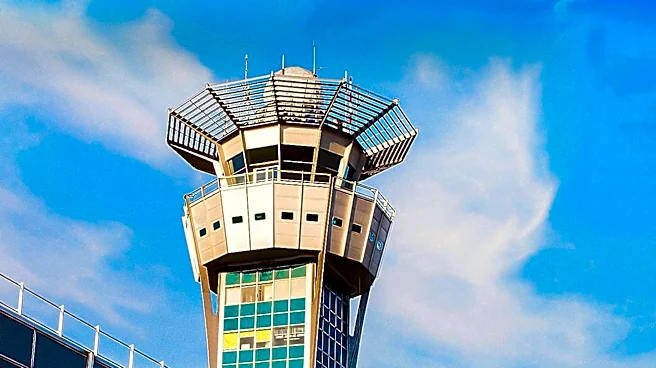
The Boise Airport's air traffic control tower was evacuated on Sunday at approximately 2:30 p.m. following reports of a smoke odor. Although there was no active fire detected, the evacuation was conducted as a precautionary measure. The Federal Aviation
Administration (FAA) has initiated an investigation to determine the source of the odor. As a result of the tower's evacuation and the ongoing investigation, travelers flying into and out of Boise Airport are experiencing flight delays, estimated to be around 30 minutes. Despite the evacuation, aircraft are still permitted to arrive at and depart from the airport, albeit with the noted delays.
Why It's Important?
This incident highlights the critical importance of aviation safety protocols and the immediate response required when potential hazards, such as smoke, are reported in air traffic control facilities. The evacuation of an air traffic control tower, even without an active fire, can significantly disrupt air travel operations, impacting passengers, airlines, and airport logistics. The FAA's swift dispatch of an investigation team underscores the seriousness with which such incidents are treated, aiming to identify and mitigate any underlying issues that could compromise air safety. For Boise, a regional hub, even minor delays can ripple through the air travel network, affecting connections and schedules across the U.S. The event also serves as a reminder of the complex infrastructure and stringent safety measures necessary to maintain efficient and secure air transportation.
What's Next?
The Federal Aviation Administration (FAA) will continue its investigation to pinpoint the exact source of the smoke odor that led to the evacuation of the Boise Airport air traffic control tower. Depending on the findings, the FAA may recommend or mandate specific maintenance, repairs, or operational adjustments to prevent similar occurrences in the future. Travelers should anticipate continued flight delays until the situation is fully resolved and normal operations are restored at the air traffic control tower. Airlines operating out of Boise Airport will likely be working to re-route or reschedule affected flights and passengers. The airport authorities will also be monitoring the situation closely, providing updates as the investigation progresses and normal service resumes.
Beyond the Headlines
The incident at Boise Airport, while seemingly minor due to the absence of an active fire, underscores the inherent vulnerabilities in critical infrastructure and the cascading effects of even small disruptions. The reliance on air traffic control towers for safe and efficient air travel means that any compromise to their operation, whether from a technical malfunction or an environmental factor like smoke, can have immediate and widespread consequences. This event could prompt a review of emergency response protocols and detection systems in air traffic control facilities nationwide, potentially leading to enhanced safety measures or technological upgrades. It also highlights the psychological impact on travelers, who may experience anxiety and frustration due to unexpected delays, reinforcing the need for clear and timely communication from airport and airline authorities during such events.