








What's Happening?
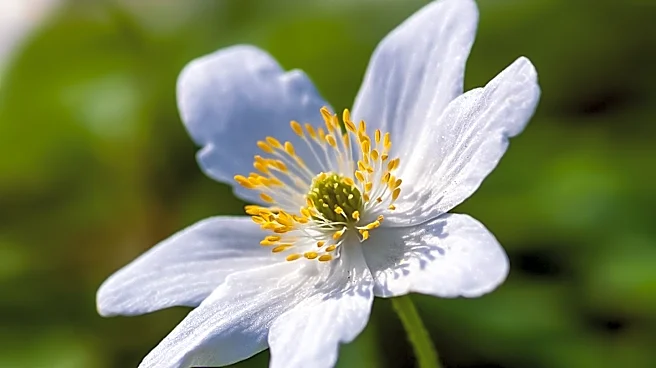
Anemone x hybrida 'Andrea Atkinson', also known as Andrea Atkinson Windflower, has been highlighted for its strong performance in trials conducted at the Chicago Botanic Garden. This hardy perennial produces sparkling white, semi-double flowers from late
August through late October. It thrives in moist soil and can tolerate both partial shade and full sun conditions. The plant is noted for attracting butterflies while simultaneously repelling deer due to the flavor of its leaves. In the Chicago Botanic Garden's evaluations of fall-blooming anemones, 'Andrea Atkinson' was ranked among the top three selections. Its high ranking was based on its ease of growth, prolific flower production, and resistance to diseases. The plant typically grows upright and is suitable for USDA hardiness zones 5 through 7. This information, captured before February 2022, indicates its consistent and reliable performance in a garden setting.
Why It's Important?
The recognition of Anemone x hybrida 'Andrea Atkinson' by the Chicago Botanic Garden is significant for U.S. horticulture and gardening enthusiasts. Its proven resistance to deer offers a valuable solution for gardeners in areas where deer browsing is a common problem, potentially reducing the need for chemical deterrents or physical barriers. The plant's ability to thrive in various light conditions (partial shade to full sun) and its preference for moist soil make it adaptable to diverse garden environments across the U.S. Its extended bloom period from late August to late October provides late-season color, which is crucial for supporting pollinators like butterflies when other flowering plants may be fading. This makes it an important asset for biodiversity and ecological health in residential and public landscapes. Furthermore, its ease of growth and disease resistance, as noted in the trials, can reduce maintenance efforts and costs for both amateur and professional landscapers, contributing to more sustainable gardening practices.
What's Next?
Given its strong performance in trials, Anemone x hybrida 'Andrea Atkinson' is likely to see continued recommendation and increased adoption by nurseries and gardeners across the U.S. Horticultural institutions and plant societies may further promote this cultivar, potentially leading to its wider availability in garden centers. Research into other resilient and low-maintenance plant varieties, particularly those with natural pest resistance, could be encouraged by these findings. Gardeners and landscape designers may increasingly incorporate 'Andrea Atkinson' into their plans, especially in regions with similar climate conditions to Chicago. Educational programs and workshops on sustainable gardening practices might feature this plant as an example of an effective, deer-resistant, and pollinator-friendly option. The success of this anemone could also inspire further breeding efforts to develop new cultivars with similar desirable traits, benefiting the broader U.S. plant market.
Beyond the Headlines
The success of Anemone x hybrida 'Andrea Atkinson' in trials underscores a broader shift in U.S. gardening and landscaping towards more resilient and ecologically beneficial plant choices. As environmental concerns grow, there is an increasing demand for plants that require less intervention, such as those resistant to common pests like deer, and those that support local ecosystems by attracting pollinators. This trend reflects a growing awareness among consumers and professionals about the importance of sustainable landscaping. The plant's attributes also highlight the value of botanical garden trials in identifying and promoting species that can thrive in specific regional conditions, thereby contributing to localized ecological health. This focus on 'right plant, right place' principles can lead to more biodiverse and lower-impact gardens, reducing the reliance on pesticides and excessive watering, and fostering a deeper connection between urban and suburban environments and natural habitats.