
What's Happening?
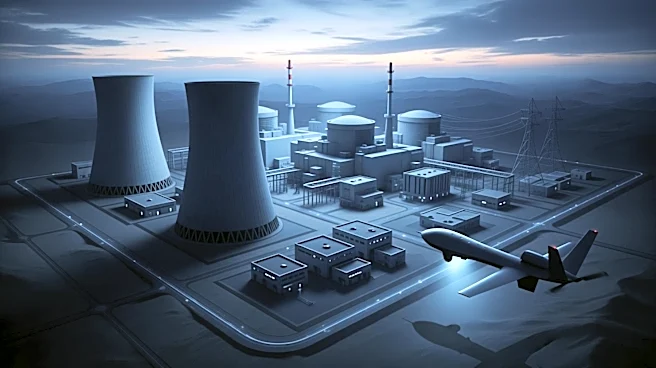
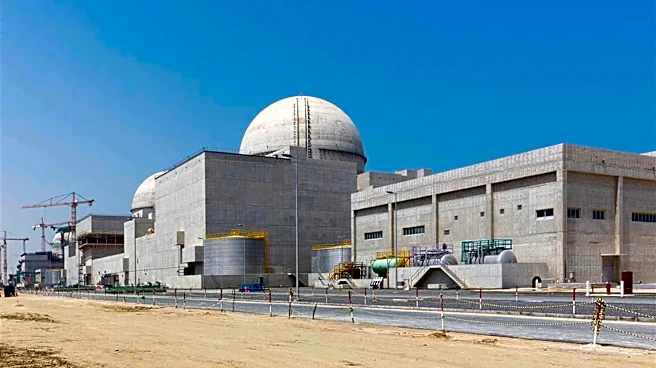
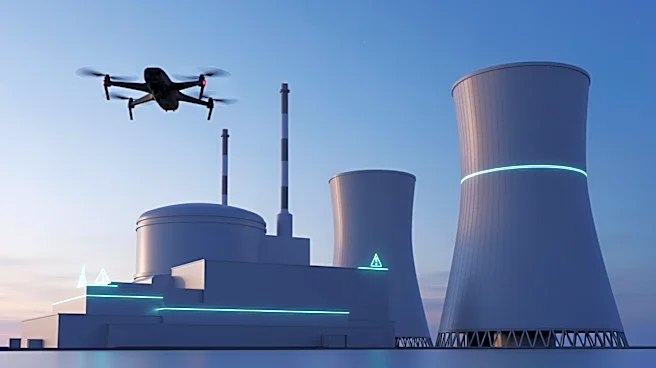
A drone strike targeted the United Arab Emirates' sole nuclear power plant, Barakah, on Sunday, causing a fire on its perimeter. The incident did not result in injuries or a radiological release, but it underscores
the fragile state of the ceasefire between the U.S., Israel, and Iran. The UAE has not assigned blame for the attack, although it has accused Iran of recent drone and missile strikes. The Barakah plant, operational since 2020, is a significant energy source for the UAE, providing a quarter of its energy needs. The International Atomic Energy Agency reported that the strike caused a fire in an electrical generator, necessitating the use of emergency diesel generators for one reactor. The UAE's nuclear program, developed with South Korea, is distinct from Iran's, as it does not involve domestic uranium enrichment.
Why It's Important?
The drone strike at the Barakah nuclear plant highlights the ongoing tensions in the Middle East, particularly involving Iran and its regional adversaries. The incident raises concerns about the security of nuclear facilities in conflict zones and the potential for escalation in the region. The UAE's strategic location and its role as a key energy supplier make it a critical player in regional stability. The attack could strain diplomatic efforts aimed at maintaining the ceasefire and may lead to increased military readiness among involved nations. The situation also underscores the broader geopolitical dynamics, including U.S. and Israeli interests in countering Iranian influence in the region.
What's Next?
The UAE is investigating the source of the drone strike, with potential implications for regional security and diplomatic relations. The incident may prompt increased military cooperation between the UAE, the U.S., and Israel, as they seek to counter perceived threats from Iran. Diplomatic efforts to solidify the ceasefire may face challenges, particularly if further attacks occur. The international community, including the International Atomic Energy Agency, will likely continue to monitor the situation closely, emphasizing the need for nuclear safety and security in conflict zones.
Beyond the Headlines
The attack on the Barakah nuclear plant highlights the vulnerability of critical infrastructure in conflict zones and the potential for nuclear facilities to become targets in geopolitical conflicts. This incident may prompt a reevaluation of security measures at nuclear sites globally, particularly in regions with ongoing tensions. The situation also raises ethical questions about the use of drones in warfare and the implications for civilian safety and international law. As nuclear energy becomes more prevalent, ensuring the security of such facilities will be crucial to preventing potential disasters.