





What's Happening?
Researchers at City of Hope, in collaboration with Memorial Sloan Kettering Cancer Center and Seres Therapeutics, have developed a new microbiome therapy, SER-155, aimed at preventing dangerous bloodstream infections in patients undergoing donor stem
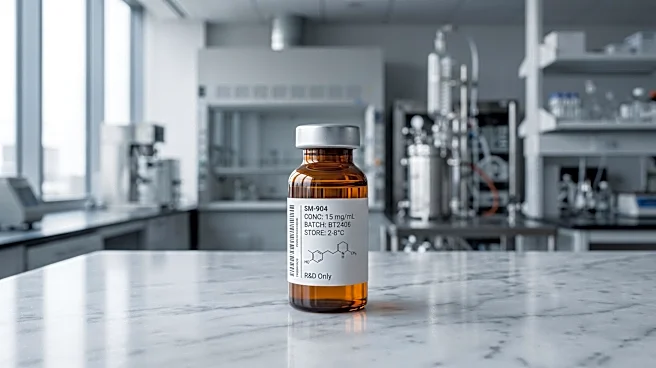
cell transplants for blood cancers. This first-of-its-kind therapy delivers 16 carefully selected beneficial bacteria designed to restore the microbiome and combat harmful pathogens. In a multicenter phase 1 clinical trial, SER-155 was found to be well tolerated with no treatment-related side effects. Patients who received the therapy experienced fewer bloodstream infections and lower levels of harmful bacteria associated with infection. The study, published in Nature Medicine, provides early evidence that live biotherapeutics, which are medicines made from beneficial bacteria, can be safely administered to highly vulnerable patients and may help prevent serious infections. This approach represents a significant step towards engineering the microbiome for specific therapeutic outcomes, moving beyond simply observing its role.
Why It's Important?
This development is crucial for cancer care, particularly for patients undergoing allogeneic stem cell transplantation, who are highly vulnerable to life-threatening bloodstream infections due to compromised immune systems. Current preventative measures often involve antibiotics, which can disrupt the microbiome and contribute to antibiotic resistance. SER-155 offers a targeted approach to address the underlying microbiome disruption, potentially improving patient safety and treatment outcomes. For the U.S. healthcare system, reducing bloodstream infections can lead to shorter hospital stays, decreased healthcare costs, and improved quality of life for cancer patients. This research also highlights the growing recognition of the microbiome's influence on treatment response, recovery, and side effects in cancer care, opening new avenues for therapeutic interventions and personalized medicine.
What's Next?
While the phase 1 trial showed promising results, larger clinical trials are necessary before SER-155 can be approved for widespread use and made available to patients. City of Hope's microbiome program is actively pursuing follow-up research, including additional studies and clinical trials, to further develop therapies that target the microbiome as a strategy to enhance immunotherapy. In the interim, researchers emphasize strategies for cancer patients to support their microbiome, such as practicing antibiotic stewardship by discussing responsible antibiotic use with doctors, and consuming a high-fiber diet. Patients are advised to avoid over-the-counter probiotics, as their mixed bacterial content may be dangerous for immunocompromised individuals and some strains have been linked to worse cancer outcomes. The long-term goal is to translate these discoveries into new ways to prevent complications, improve treatment outcomes, and support recovery for cancer patients.
Beyond the Headlines
This pioneering work in microbiome engineering has profound implications beyond cancer treatment. The ability to design and safely deliver specific consortia of beneficial bacteria for a clinical purpose could revolutionize how various diseases are treated. It underscores a shift from broad-spectrum interventions to highly targeted, biologically informed therapies. This approach could lead to a new class of medicines that leverage the body's own microbial ecosystem to combat illness, potentially reducing reliance on traditional pharmaceuticals with their associated side effects. The ethical considerations around 'engineering' the human microbiome, including potential unforeseen long-term effects and the standardization of such complex biological products, will become increasingly central to medical discourse and regulatory frameworks. This research also highlights the critical need for personalized dietary and lifestyle recommendations to support microbiome health, especially in vulnerable patient populations.