





What's Happening?
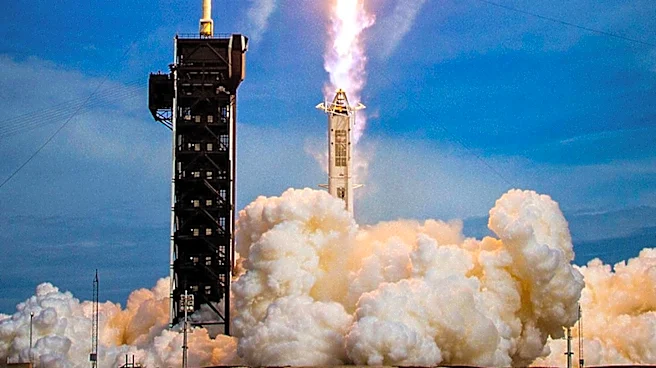
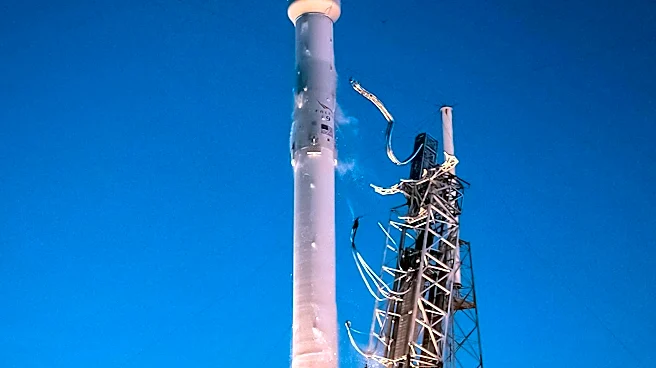
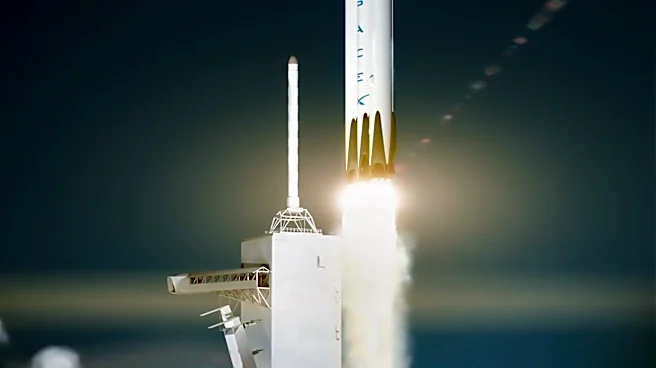
SpaceX successfully launched a classified mission, designated USSF-432, for the U.S. military on November 6. A Falcon 9 rocket lifted off from Vandenberg Space Force Base in California, carrying a mysterious payload into orbit. While official details
about the mission remain undisclosed by both SpaceX and the U.S. Space Force, experts speculate that the payload consists of Starshield satellites. These satellites are believed to be part of the U.S. Space Force's Space-Based Sensing and Targeting program and are largely based on SpaceX's Starlink spacecraft platform, but designed for military applications. The Falcon 9's first stage booster, making its eighth flight, successfully landed on a drone ship in the Pacific Ocean after launch. This mission marks the 119th Falcon 9 launch in 2026 and the 14th for national security purposes this year, with a significant portion of SpaceX's launches dedicated to its Starlink megaconstellation.
Why It's Important?
This classified launch underscores the increasing reliance of the U.S. military on commercial space companies like SpaceX for critical national security operations. The deployment of suspected Starshield satellites, designed for the U.S. Space Force's Space-Based Sensing and Targeting program, highlights the evolving landscape of military space capabilities. These satellites are crucial for enhancing the U.S. military's intelligence, surveillance, and reconnaissance (ISR) capabilities, as well as for improving targeting accuracy. The use of a commercial provider for such sensitive missions demonstrates a strategic shift towards leveraging private sector innovation and cost-effectiveness in defense. This collaboration could lead to faster deployment of advanced space assets, providing a significant advantage in maintaining technological superiority in space. The success of these missions is vital for U.S. national security, ensuring robust and resilient space infrastructure for defense operations.
What's Next?
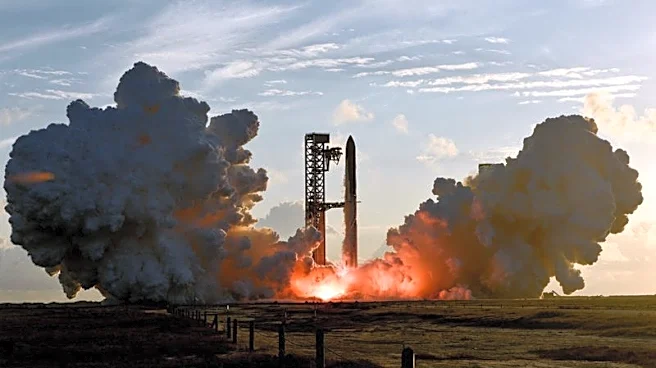
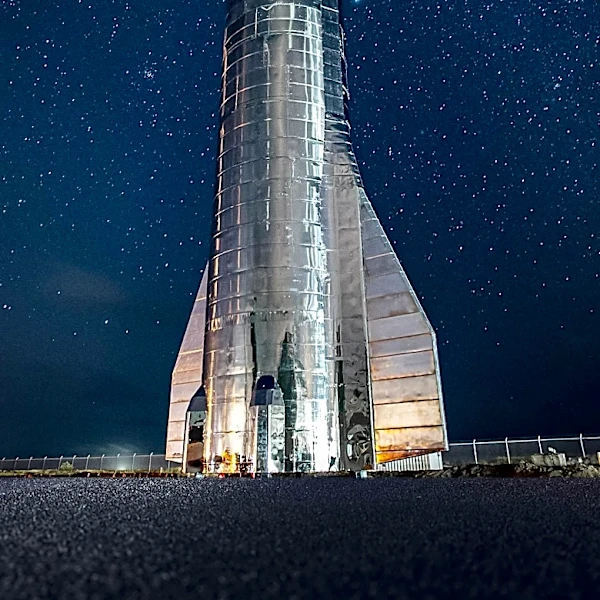
While specific details about the USSF-432 mission and its payload remain classified, the ongoing deployment of Starshield-like satellites suggests a continued expansion of the U.S. military's space-based sensing and targeting capabilities. SpaceX is also preparing for the debut of its massive Starship rocket, which is expected to eventually replace the Falcon 9 and Falcon Heavy. This transition could further revolutionize military and commercial space launches by offering greater payload capacity and reusability. The U.S. Space Force will likely continue to integrate advanced commercial technologies into its operations, potentially leading to more frequent and complex classified missions. The development of these advanced satellite networks will be crucial for future defense strategies, impacting global surveillance, communication, and targeting capabilities.
Beyond the Headlines
The increasing integration of commercial space companies into national security operations raises important questions about the balance between transparency and classified military activities. While leveraging private sector innovation offers significant advantages in terms of speed and cost, the secrecy surrounding missions like USSF-432 can limit public oversight and understanding of military space programs. This trend also highlights the dual-use nature of space technology, where commercial platforms like Starlink can be adapted for defense purposes, blurring the lines between civilian and military applications. The long-term implications include potential shifts in international space policy, as nations grapple with the implications of private entities playing a more prominent role in military space endeavors. This could also spur further investment and competition in the commercial space sector, driving innovation in satellite technology and launch services.