





What's Happening?
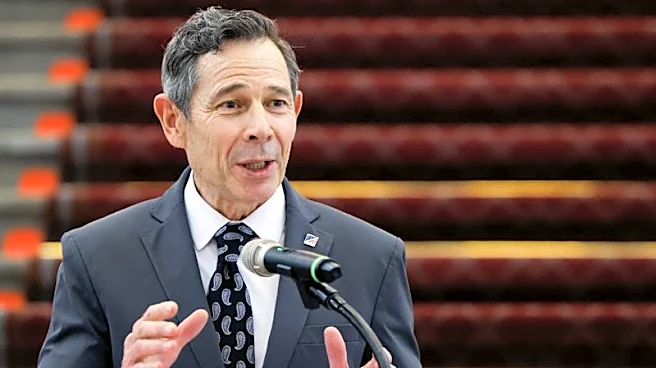
Senator Jeanne Shaheen (D-NH), the leading Democrat on the Senate Foreign Relations Committee, has initiated a procedural hold on a proposed $2.8 billion sale of bombs to Israel. This action mirrors a similar hold placed by Representative Greg Meeks (D-NY),
the ranking member of the House Foreign Affairs Committee. Traditionally, such holds can impede the progression of arms sales, although the Trump administration has previously bypassed these objections. The funding for this particular arms sale is designated to come from U.S. foreign military aid. Other Democratic senators have also expressed intentions to block the sale, suggesting that if the administration attempts to proceed despite the holds from Senator Shaheen and Representative Meeks, a vote on the Senate floor to prevent the sale is probable.
Why It's Important?
This procedural hold by a key Democratic senator underscores significant congressional oversight and potential bipartisan friction regarding U.S. foreign policy and military aid. The use of U.S. foreign military aid to finance the sale means American taxpayer dollars are directly involved, making the transaction subject to increased scrutiny from lawmakers concerned about its implications. Should the Trump administration choose to bypass these congressional holds, it could set a precedent for executive action over legislative objections in arms deals, potentially straining the relationship between the executive and legislative branches. Furthermore, the opposition from multiple Senate Democrats indicates a broader concern within the party about the sale, which could lead to a contentious debate and a potential Senate floor vote, highlighting divisions on U.S. foreign policy towards Israel.
What's Next?
The immediate next step involves the Trump administration's response to the procedural holds. Historically, the administration has, at times, proceeded with sales despite such objections, which could be a path they consider again. However, the vocal opposition from Senator Shaheen and other Democrats suggests that bypassing these holds could trigger a vote on the Senate floor. This potential vote would force senators to publicly take a stance on the arms sale, potentially revealing deeper divisions within Congress on foreign military aid and U.S.-Israel relations. Stakeholders, including the Israeli government and defense contractors involved in the sale, will be closely monitoring these developments, as the outcome will directly impact the delivery of the military equipment and future arms transactions.
Beyond the Headlines
The procedural hold on this arms sale extends beyond a simple transaction, touching upon the delicate balance of power between the executive and legislative branches in foreign policy matters. It highlights the ongoing debate about the extent of congressional authority in approving or blocking arms deals, especially when they are financed by U.S. aid. This situation could also influence future foreign military aid packages and the conditions under which they are approved, potentially leading to more stringent oversight mechanisms. Furthermore, it reflects evolving perspectives within the Democratic party regarding military support to allies, particularly in the Middle East, and could signal a shift in how such aid is evaluated in the context of regional stability and human rights concerns.