



What's Happening?
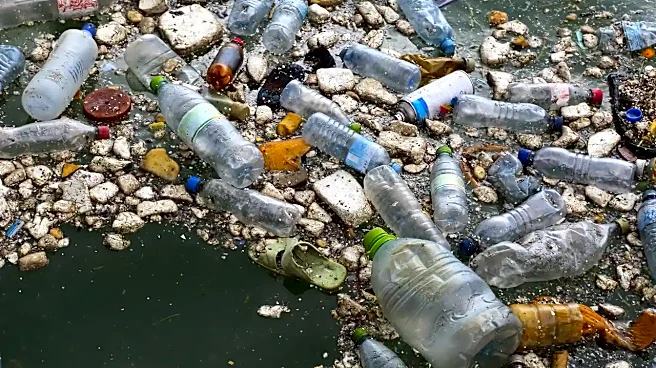
A new study, titled "Microplastics in the Chesapeake Bay Watershed" by the PennEnvironment Research & Policy Center, has found pervasive microplastic contamination in waterways throughout the Chesapeake Bay watershed, including the Susquehanna River.
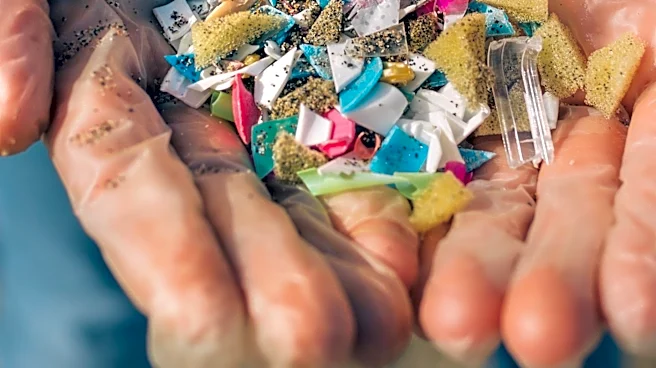
Citizen scientists collaborated with the nonprofit to collect 90 water samples from 15 sites across urban and rural areas of the bay and its tributaries between April 2024 and October 2026. Analysis conducted at the Academy of Natural Sciences of Drexel University and PennEnvironment offices identified four types of microplastics: fibers, films, fragments, and microbeads. Microplastic fibers were present in every single waterway tested. Plastic fragments were found in 93% of samples, films from flexible plastics in 47%, and microbeads in 27% of the sampled waterways. Flora Cardoni, deputy director of PennEnvironment Research & Policy Center, emphasized that the staggering amount of microplastics means no river, lake, or stream in the watershed is likely safe from this contaminant.
Why It's Important?
The widespread presence of microplastics in the Chesapeake Bay watershed poses significant threats to both environmental and human health. These tiny plastic particles infiltrate drinking water and are consumed by aquatic life, accumulating in the food chain. Scientific evidence indicates that microplastics can disrupt the body’s endocrine system, potentially leading to reproductive disorders and cancers. Furthermore, microplastics attract and carry other toxins already present in waterways, such as lead, mercury, and PFAS, exacerbating their harmful effects. With millions of people relying on this vital watershed for their drinking water, the findings highlight a critical public health concern. The study underscores the urgent need for comprehensive strategies from elected officials to address plastic pollution at its source, as Americans generate over 35 million tons of plastic waste annually, with less than 6% being recycled.
What's Next?
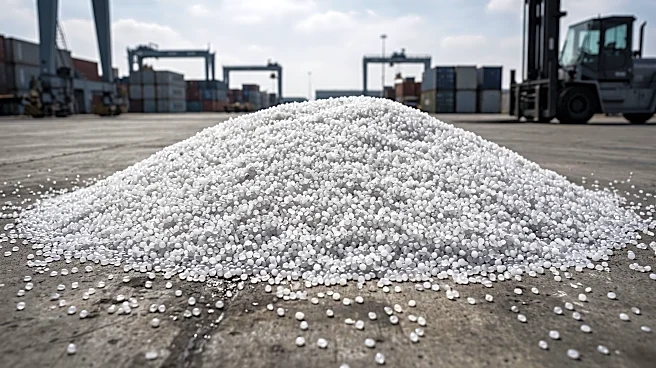
Environmental advocates are calling for immediate and comprehensive action to address microplastic pollution. Flora Cardoni of PennEnvironment Research & Policy Center outlined several key steps, including changing how plastic products are produced and marketed, holding manufacturers responsible for their products' environmental impact, and passing producer responsibility laws for plastic packaging. Local and state officials are urged to continue implementing bans on plastic bags and other single-use plastics. Additionally, there's a call for Chesapeake Bay watershed states to ban the release of plastic pellets into waterways and for federal officials to pass the Plastics Pellet Free Waters Act. While individual choices like using reusable bags are encouraged, the primary focus is on systemic policy changes to halt the majority of plastic and petrochemical production nationwide, as advocated by Josephine Gingerich of Physicians for Social Responsibility Pennsylvania.
Beyond the Headlines
The pervasive microplastic contamination revealed in this study points to a broader societal challenge regarding consumption patterns and industrial practices. The fact that microplastics are found everywhere, from urban centers to rural tributaries, suggests that the issue transcends localized litter problems and is deeply embedded in the material economy. This situation raises profound questions about the long-term sustainability of current plastic production levels and the efficacy of existing waste management systems. The call to 'turn off the faucet on plastic' implies a fundamental shift away from single-use plastics and towards more durable, reusable, and truly biodegradable alternatives. This could trigger significant innovation in materials science and manufacturing, alongside a re-evaluation of consumer habits and corporate accountability for environmental externalities. The historical context of environmental disasters, like the Cuyahoga River fires, serves as a stark reminder of how severe pollution can catalyze legislative action, suggesting that the growing evidence of microplastic harm may eventually lead to stronger environmental protections.