
What's Happening?
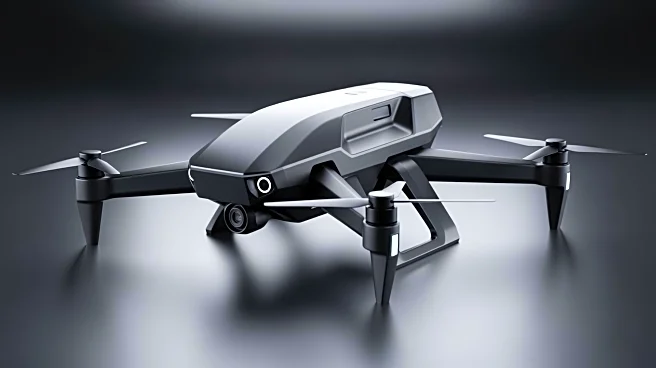
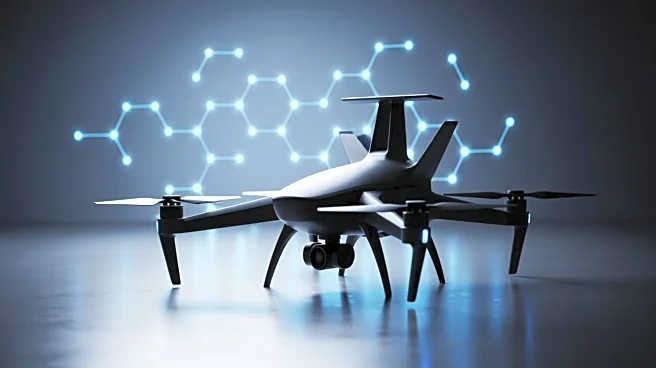
The year 2025 has seen significant advancements in unmanned systems, with innovations across various domains including military, commercial, and maritime platforms. Key developments include TEKEVER's AR3
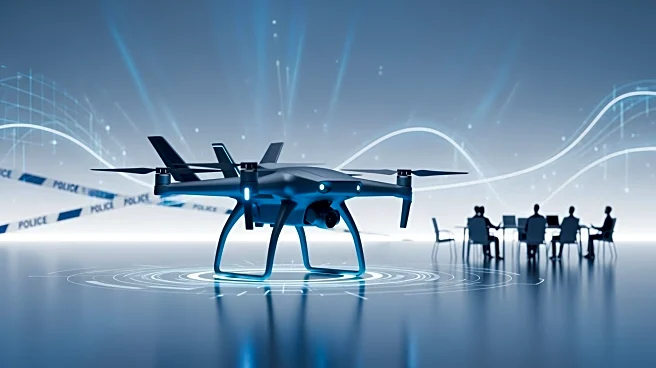
Evolution, a shipborne ISR system for contested environments, and Red Cat's FANG F7, a retrievable FPV asset for tactical training. The year also marked milestones in counter-UAS technologies, with Honeywell's Reveal & Intercept System leading in swarm-defeat capabilities. These advancements reflect a growing trend towards more autonomous, resilient, and integrated unmanned systems, setting the stage for future developments in 2026.
Why It's Important?
The rapid evolution of unmanned systems is reshaping global defense and commercial operations, offering enhanced capabilities in surveillance, reconnaissance, and airspace protection. These technologies provide strategic advantages by enabling persistent, data-driven operations in complex environments. The integration of AI and advanced sensors into unmanned platforms enhances their effectiveness and operational flexibility, making them indispensable tools for modern military and commercial applications. As these systems become more prevalent, they will likely drive changes in regulatory frameworks and operational strategies worldwide.
What's Next?
Looking ahead, the focus will likely be on further enhancing the autonomy, endurance, and resilience of unmanned systems. The industry may see increased collaboration between commercial and defense sectors, leading to the development of more versatile and cost-effective platforms. Regulatory bodies may also work towards establishing standards and guidelines to ensure the safe and ethical use of these technologies. As the demand for unmanned systems grows, companies will continue to innovate, pushing the boundaries of what these platforms can achieve.