









What's Happening?
Israeli defense companies are increasingly embedding themselves in Europe's military-industrial production through strategic agreements that involve manufacturing facilities, technology transfers, and industrial cooperation. This trend is evident in several
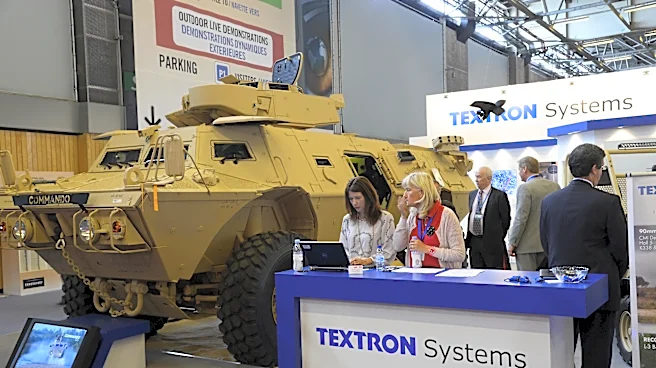
European countries. For instance, Israeli defense manufacturer Elbit Systems is collaborating with Germany’s Diehl Defense to market the SkyStriker loitering munition system to the German armed forces, with provisions for local manufacturing. Elbit also plans to establish a European center in Sweden for producing and maintaining laser warning systems by 2027. In Romania, Rafael has secured a €2 billion agreement to supply SPYDER air-defense systems, including extensive industrial cooperation and domestic manufacturing. Additionally, in Germany, Volkswagen, the state of Lower Saxony, and Aurelius Capital are working to convert the Osnabrück automotive plant into a center for developing and producing defense systems, with Rafael Advanced Defense Systems participating in an initial air-defense program. These initiatives signify a shift from mere arms exports to deeper industrial integration.
Why It's Important?
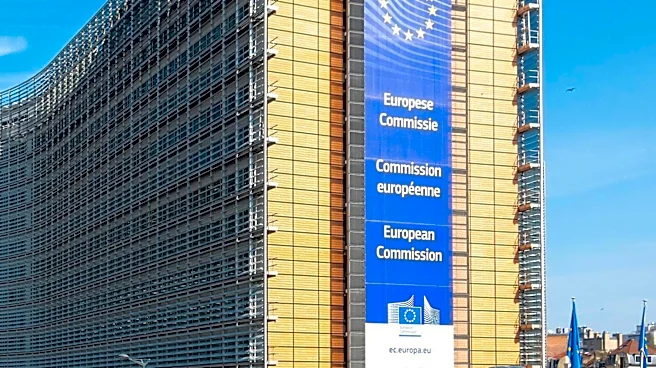
This expansion of Israeli defense companies into European manufacturing is significant for several reasons. For Europe, it represents a strategic move to strengthen its defense capabilities and reduce dependence on external suppliers, particularly the U.S., by fostering local production and technological expertise. The European Union's €150 billion SAFE financing instrument is designed to encourage such defense production and joint procurement. For Israel, these partnerships offer benefits beyond commercial value, including building lasting international relationships, strengthening its industrial base, and integrating its defense technology into the long-term requirements of European armed forces. This trend could lead to a more integrated European defense industry, potentially altering the balance of power in global defense markets and creating new economic opportunities for participating nations. It also highlights a growing demand for advanced defense systems amid evolving geopolitical landscapes.
What's Next?
The projects are in various stages of development, from signed contracts to proposals. The success and expansion of these initiatives will depend on specific EU rules regarding company establishment, corporate control, component origin, and technology rights. Further agreements and investments are anticipated as Europe continues its drive to strengthen defense capabilities. The integration of Israeli technology into European defense manufacturing could lead to the development of new, jointly produced defense systems and increased interoperability among European forces. This strategic shift is expected to continue, with more Israeli defense companies seeking opportunities for industrial cooperation and investment across the EU, potentially reshaping the European defense landscape and its global standing.
Beyond the Headlines
The deepening integration of Israeli defense companies into Europe's military-industrial base carries broader implications beyond immediate defense needs. It signifies a strategic alignment that could foster greater political and economic ties between Israel and European nations. This collaboration could also lead to a transfer of advanced defense technologies, potentially enhancing Europe's technological sovereignty in defense. However, it also raises questions about the ethical considerations of defense partnerships, particularly concerning the end-use of jointly produced military equipment and adherence to international humanitarian law. The long-term impact could include a more robust and self-reliant European defense sector, but also potential geopolitical shifts as European nations diversify their defense partnerships and reduce reliance on traditional allies.