






What's Happening?
A recent study conducted by Danish researchers has revealed a significant connection between the composition of an individual's gut microbiome and chronic inflammatory processes within the body. The study, published in Nature Communications, analyzed
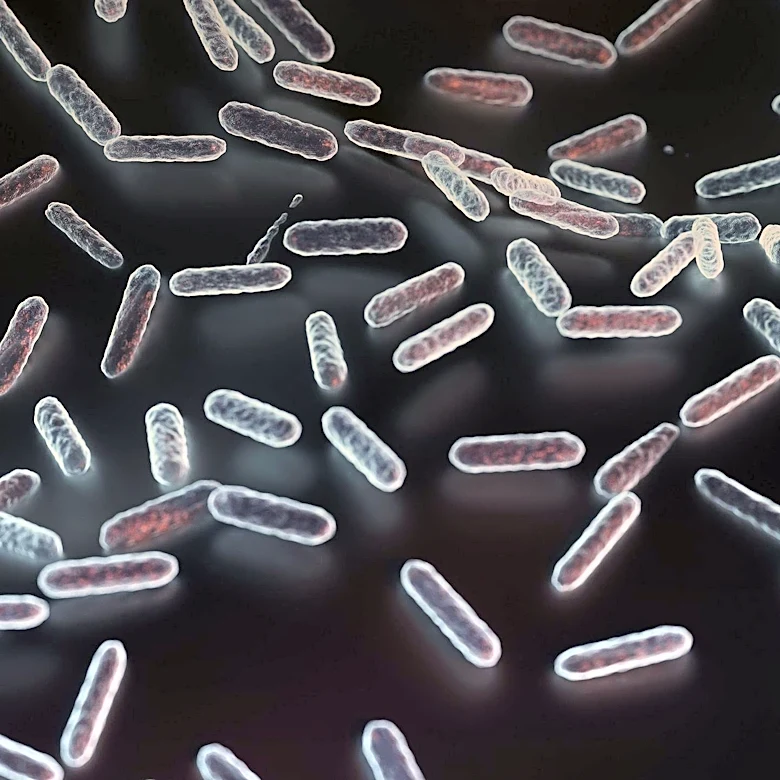
1,199 adults aged 20 to 72, examining their gut microbiomes, inflammatory markers in their blood, and various health characteristics. A key finding indicated that some young adults exhibited inflammatory marker values typically observed in older individuals with different gut microbiome compositions. This phenomenon, termed 'inflammaging,' describes the gradual intensification of low-grade inflammatory processes in the immune system over time, which can occur without obvious symptoms. The research suggests that the trillions of microorganisms residing in the gut play a crucial role beyond digestion, constantly interacting with the immune system and influencing bodily processes through their metabolic byproducts. This communication can contribute to the development of age-related conditions such as cardiovascular disease and diabetes.
Why It's Important?
This research is important because it fundamentally reshapes our understanding of healthy aging, moving beyond traditional factors like genetics and lifestyle to include the critical role of the gut microbiome. The findings highlight that chronic inflammation, or 'inflammaging,' is not uniformly experienced, with some individuals showing elevated inflammatory markers at a young age while others maintain favorable values into old age. This disparity is now strongly linked to gut bacteria, suggesting that the gut could be a key target for interventions aimed at promoting longevity and preventing age-related diseases. For the healthcare industry, this opens new avenues for diagnostic tools and personalized treatments focusing on gut health. Public health campaigns could emphasize dietary and lifestyle choices that foster a healthy gut microbiome, potentially reducing the burden of chronic diseases. Economically, this could spur growth in the functional food and supplement markets, as well as in personalized wellness programs centered on gut health. Understanding these links could lead to more effective strategies for maintaining physical capacity, cognitive performance, and mental health as people age.
What's Next?
The findings of this study are likely to prompt further research into the specific mechanisms by which gut bacteria influence inflammation and aging. Future studies may focus on identifying particular microbial species or metabolic pathways that contribute to 'inflammaging' and exploring interventions to modulate the gut microbiome. This could include clinical trials on dietary changes, probiotics, prebiotics, or even fecal microbiota transplantation to improve gut health and reduce inflammatory markers. The medical community may begin to integrate gut microbiome analysis into routine health assessments, especially for individuals at risk of age-related chronic diseases. Additionally, the pharmaceutical and biotechnology sectors are expected to invest in developing novel therapies that target the gut microbiome to combat inflammation and promote healthy aging. Public health organizations might also develop guidelines and educational programs to inform the public about the importance of gut health for long-term well-being, potentially leading to a greater emphasis on fiber-rich diets and other gut-friendly practices.
Beyond the Headlines
Beyond the immediate medical implications, this study touches upon deeper ethical and societal considerations regarding the pursuit of longevity. If gut microbiome manipulation becomes a viable strategy for extending healthy lifespans, questions of access and equity will arise. Will these advanced treatments be available to everyone, or will they become a privilege of the affluent? This research also reinforces the holistic view of health, emphasizing the interconnectedness of various bodily systems and the profound impact of seemingly minor elements, like gut bacteria, on overall well-being. It challenges the traditional medical paradigm that often treats symptoms in isolation, instead advocating for a more integrated approach to health and disease prevention. Culturally, this could lead to a greater societal focus on preventive health measures and a deeper appreciation for the role of diet and lifestyle in shaping our biological destiny. The concept of 'health as an asset class' could further solidify, with individuals increasingly investing in personalized wellness strategies to optimize their gut health and, by extension, their longevity.