





What's Happening?
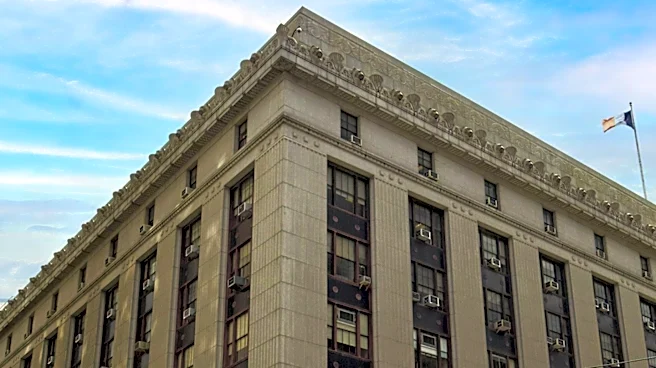
A proposal by U.S. Customs and Border Protection (CBP) to move its facility into the Kenneth B. Keating Federal Building in downtown Rochester, New York, and construct immigration detention cells and a canine kennel, has been put on hold. The plan, which
has been under consideration for over five years, is facing scrutiny from city and state officials due to concerns about historic preservation. The Keating Federal Building, located at 100 State Street, is listed on the State (Historic) Register and is part of the "Four Corners – Genesee Crossroads Historic District." The New York State Historic Preservation Office (SHPO) is currently reviewing documentation submitted by the U.S. General Services Administration (GSA), which manages federal properties, regarding the potential effects of the proposed renovations on the historic property. The City of Rochester's Corporation Counsel, Patrick Beath, formally communicated to SHPO that the proposed detention cells and kennel are inconsistent with the building's historic preservation purposes and its original deed, which limited its use to public court and office buildings. While GSA maintains that the proposal will have "no adverse effect" and that the changes would affect less than 10 percent of the building's interior, the city and SHPO have raised questions about this determination, particularly regarding the inclusion of overnight detention cells, which were not part of earlier proposals.
Why It's Important?
This situation highlights the ongoing tension between federal operational needs and local historic preservation efforts. The Keating Federal Building's status as a historically designated property means that any significant alterations must undergo a Section 106 review under the National Historic Preservation Act. The city's and state's objections underscore the importance of maintaining the integrity of historic districts and buildings, which contribute to the cultural and architectural heritage of communities. If the CBP's plan were to proceed without addressing these concerns, it could set a precedent for similar federal projects in other historic locations, potentially undermining local preservation laws and community character. Furthermore, the debate over the building's use reflects broader discussions about the appropriate functions of federal buildings in urban centers, especially when those functions involve sensitive issues like immigration detention. The outcome of this review could influence how federal agencies approach property development and renovation in historically significant areas across the U.S., emphasizing the need for collaboration and compromise between federal, state, and local entities.
What's Next?
The U.S. General Services Administration (GSA) will continue to engage with the New York State Historic Preservation Office (SHPO) and the City of Rochester to address the concerns raised regarding the proposed changes to the Keating Federal Building. SHPO's review of GSA's documentation is ongoing, and a Freedom of Information request has been filed for correspondence between the two agencies, which may reveal further details. The GSA has indicated its commitment to partnering with the Court, U.S. Marshals Service (USMS), and Federal Protective Service (FPS) to ensure all parties can achieve their missions while maintaining safety within the building. The GSA also noted a directive from the President to consolidate space, implying that if CBP does not move into the vacant space, a costly lease for an alternative location might be necessary. The resolution will likely involve a determination on whether the project requires a full Section 106 review and if modifications to the CBP's plans are needed to align with historic preservation guidelines and the building's intended use. The process could lead to a revised proposal, an alternative location for CBP, or a legal challenge if an agreement cannot be reached.
Beyond the Headlines
The controversy surrounding the Keating Federal Building extends beyond a simple land-use dispute; it touches upon the evolving role of federal properties within urban landscapes and the balance between national security interests and local community values. The inclusion of immigration detention cells in a historic federal building in a downtown area raises ethical questions about the visibility and integration of such facilities into public spaces. It also highlights the potential for mission creep within federal agencies, as the current proposal for overnight detainees differs significantly from earlier plans. This situation could prompt a broader re-evaluation of how federal agencies plan and execute facility relocations, particularly in areas with strong historical and community ties. The outcome may influence future federal policies regarding the adaptive reuse of historic buildings, potentially leading to more stringent requirements for community engagement and historical impact assessments. It also underscores the power of local and state entities to challenge federal decisions when they conflict with local ordinances or community interests, reinforcing the principles of federalism and shared governance.