





What's Happening?
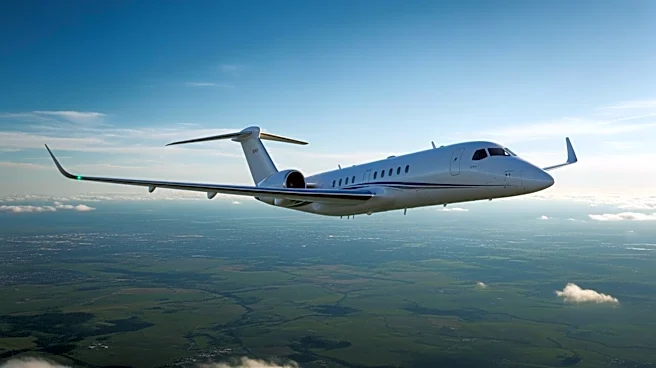
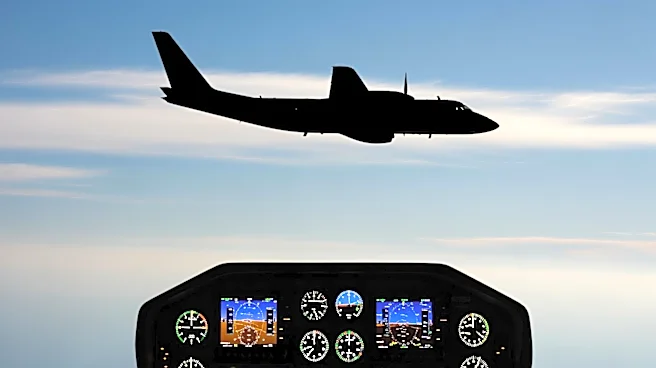
NASA's Student Airborne Research Program (SARP) has commenced, bringing together 48 undergraduate students from across the United States for an immersive, hands-on science internship. Held annually, this eight-week program allows students to engage in data
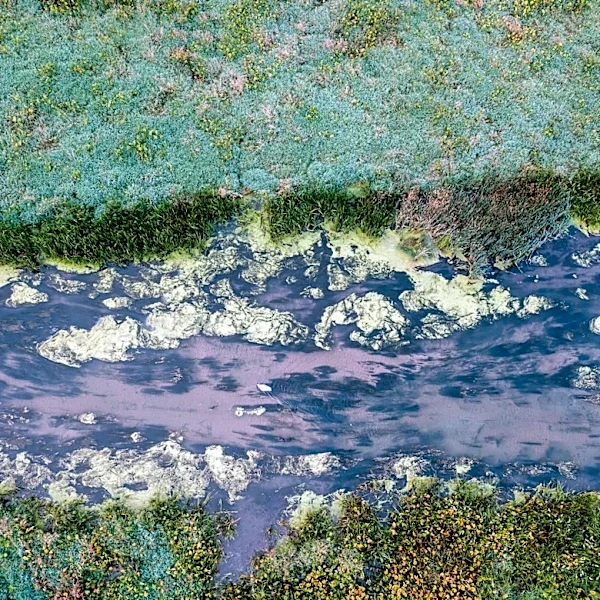
collection and scientific research alongside NASA scientists and university mentors. This year, students are gathering in Houston, Texas, to participate in activities such as atmospheric measurements and sample collection from various environments. The program aims to provide students with practical experience in scientific research and operations, fostering their understanding of Earth sciences and boosting their confidence.
Why It's Important?
The SARP program is a vital initiative for inspiring the next generation of scientists and researchers. By providing students with real-world experience in scientific data collection and analysis, NASA is helping to cultivate a skilled workforce capable of addressing future challenges in Earth sciences and beyond. The program also emphasizes the importance of STEM education and its role in advancing scientific knowledge and innovation. As students gain confidence and expertise, they contribute to a broader understanding of environmental and atmospheric processes, which is crucial for informed decision-making and policy development.
What's Next?
As the program progresses, students will continue to engage in various research activities, including ground and oceanographic studies. The data collected will be analyzed and shared with the scientific community, contributing to ongoing research efforts. NASA and participating universities will monitor the program's outcomes, assessing its impact on student development and scientific contributions. The success of SARP may lead to expanded opportunities and collaborations, further enhancing STEM education and research initiatives.