






What's Happening?
The 1968 rock song "Long Line Rider," written and performed by Bobby Darin, brought attention to the Arkansas prison scandals of that year. The song, though not a commercial hit, gained notoriety for its subject matter, leading to controversy when CBS
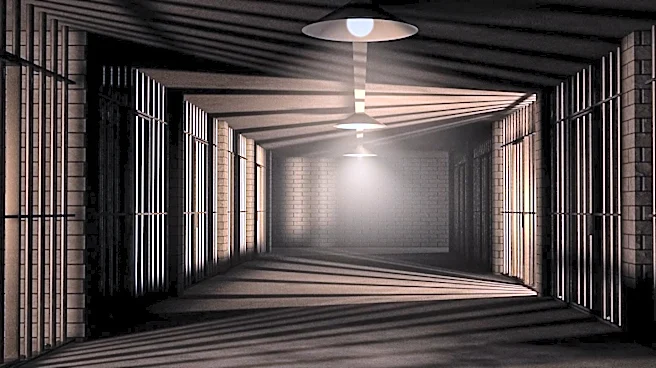
executives prevented Darin from performing it on "The Jackie Gleason Show" in 1969. Darin walked off the show in protest, asserting his right to self-expression. The song's lyrics, such as "There's a farm in Arkansas / Got some secrets in its floor," alluded to the events without explicitly naming individuals like Tom Murton or Governor Winthrop Rockefeller, or specific locations like Cummins Prison. However, those aware of the prison scandals and the political climate of the election year would have understood its meaning. The term "long line rider" refers to armed men, part of the inmate hierarchy known as "trusties," who patrolled prisoners working in the fields of plantation-style prisons like Cummins and Tucker units, enforcing discipline with shotguns and pistols.
Why It's Important?
The song "Long Line Rider" is important as it represents an early instance of popular music directly addressing and critiquing systemic issues within the U.S. penal system. Its controversial nature, leading to Bobby Darin's protest against censorship, highlights the tension between artistic freedom and media control, particularly when content challenges established narratives or exposes societal problems. The song's focus on the "long line riders" and the conditions at Arkansas prisons shed light on the harsh realities of inmate labor and the power dynamics within these institutions, which were largely run by prisoners themselves. This musical commentary contributed to a broader public discourse on prison reform, as evidenced by its mention in congressional testimony on juvenile delinquency in 1971. It also stands as a significant piece within the subgenre of prison songs, alongside works by artists like Calvin Leavy, Johnny Cash, and Bobby Womack, underscoring the enduring impact of these issues on American culture and consciousness.
What's Next?
While "Long Line Rider" was released in 1968, its legacy continues to resonate. The song's themes of prison corruption and the abuse of power remain relevant in ongoing discussions about criminal justice reform in the U.S. Future analyses of American music and social commentary will likely continue to reference Darin's work as an example of an artist using his platform to address difficult societal truths. The song's historical context, particularly its connection to the Arkansas prison scandals, serves as a reminder of past injustices and can inform contemporary efforts to improve prison conditions and oversight. Additionally, the song's influence on authors like R.S. Belcher, Stephen King, and Peter Straub, who incorporated its lyrics into their novels, suggests its continued presence in literary and cultural discourse, potentially inspiring new interpretations and discussions about its enduring message.
Beyond the Headlines
The deeper implications of "Long Line Rider" extend beyond its immediate impact as a protest song. It underscores the ethical responsibility of artists to reflect and challenge societal norms, even at personal and professional cost, as demonstrated by Bobby Darin's walk-off from "The Jackie Gleason Show." This act of defiance highlights the power of artistic expression as a tool for social change and a catalyst for public awareness. The song also brings to light the often-overlooked history of forced labor within the U.S. prison system, particularly in the South, where plantation-style prisons operated. The concept of "long line riders" reveals a complex and disturbing hierarchy within these institutions, where inmates were armed and tasked with controlling other prisoners, raising profound questions about justice, rehabilitation, and human rights. The song's continued relevance in literature and academic discussions signifies its role in shaping a collective understanding of American history and the ongoing struggle for equitable treatment within the justice system.