
What's Happening?
Many of the oldest public parks in the United States, some dating back to the colonial period, continue to function as public spaces today. Boston Common, established in 1634, is recognized as the country's
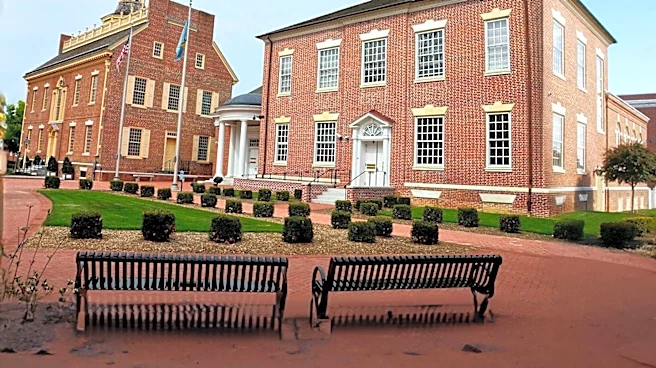
oldest public park and remains in daily use. Other examples include New Haven Green (1641), Charleston's Squares (1680), Philadelphia's Five Squares (1682), Salem Common (1685), Battery Park in New York (1686), Jackson Square in New Orleans (1718), San Pedro Springs Park in San Antonio (1729), and Bowling Green and Johnson Square (1733). These spaces often began with practical uses such as pastures, parade grounds, or execution sites before evolving into recreational parks. A key factor in their survival has been early legal designations that protected them from private development, such as Boston's 1640 decree preventing land grants from the Common Field.
Why It's Important?
The continued existence and public accessibility of these historic parks highlight a foundational aspect of urban planning in the U.S. and underscore the long-term value placed on public green spaces. Their preservation demonstrates a historical commitment to communal areas, which has significant implications for modern urban development and quality of life. These parks serve as vital community hubs, offering recreational opportunities, cultural event venues, and historical landmarks. Their survival against centuries of urban expansion and private encroachment illustrates the power of early legislative foresight in shaping city landscapes. This legacy informs contemporary discussions about sustainable urban growth, the importance of public land, and the balance between development and conservation, influencing policy decisions regarding park funding, maintenance, and accessibility in cities across the nation.
What's Next?
The ongoing preservation of these historic parks will likely involve continued efforts from municipal governments, historical societies, and local communities. Future initiatives may focus on maintaining their historical integrity while adapting them to modern recreational needs and environmental challenges. This could include infrastructure improvements, ecological restoration projects, and programs to enhance public engagement and education. As urban populations grow, the demand for accessible green spaces will increase, placing greater emphasis on the effective management and protection of these existing parks. Discussions around funding for maintenance, security, and programming will remain crucial, potentially leading to new public-private partnerships or increased governmental allocations to ensure these spaces continue to serve future generations.
Beyond the Headlines
The remarkable survival rate of these early American parks, despite significant urban development, reveals a deeper cultural and legal commitment to public domain that is often overlooked. Unlike many historical structures that have been demolished, these green spaces have largely retained their original footprints and public ownership. This phenomenon suggests a unique understanding of communal value embedded in the early planning of U.S. cities. The initial decrees and plans that designated these areas as public, such as William Penn's layout for Philadelphia or Boston's 1640 decree, established a precedent for prioritizing collective good over individual private gain in land use. This historical context provides valuable insights into the enduring tension between development and conservation, and the ethical considerations involved in urban planning, demonstrating how foundational decisions can shape a city's character for centuries.