


What's Happening?
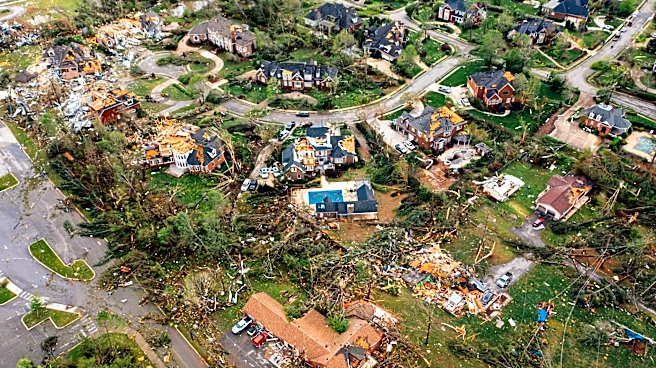
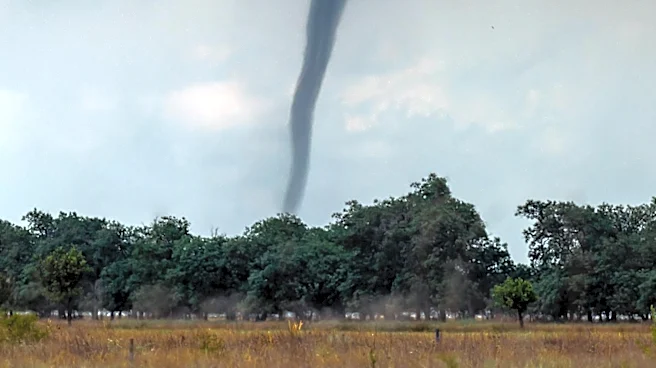
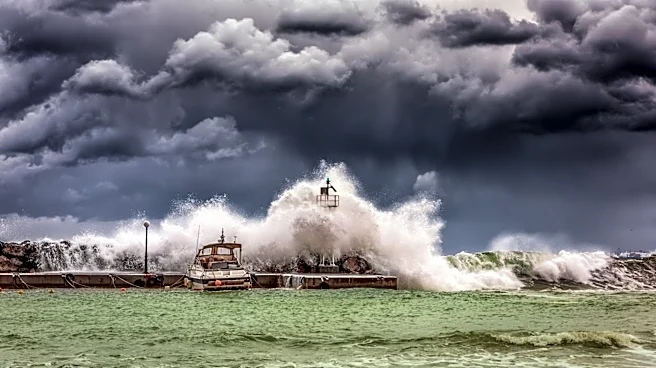
The Northeast U.S. experienced severe weather on Thursday, with heavy rain, strong winds, and possible tornadoes causing widespread disruption. A potential tornado touched down at Atlantic Beach on Long Island, New York, damaging a major beach club and scattering
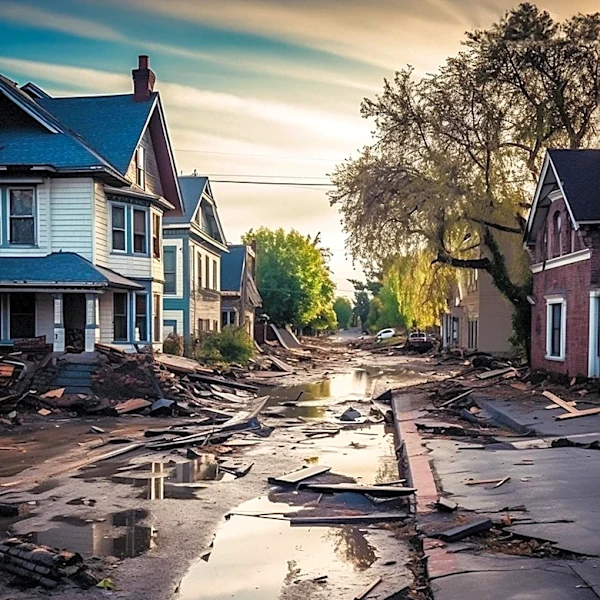
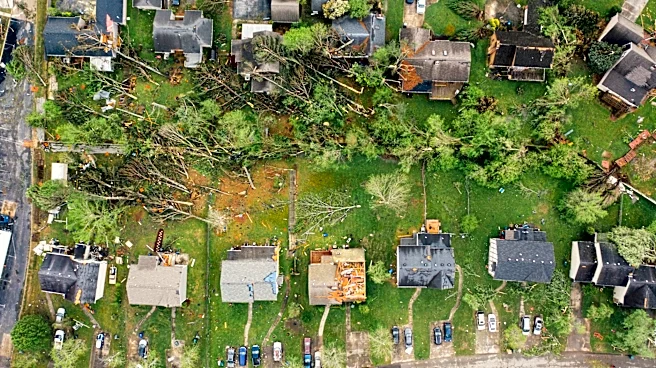
debris across the shoreline. Nassau County Executive Bruce Blakeman declared a state of emergency, reporting property damage but no serious injuries or deaths. In New Jersey, flash flooding trapped 69 people in their cars in Jersey City, requiring emergency rescues. Additionally, a likely tornado struck Dover, Delaware, causing significant damage across the city, though no serious injuries were reported there either. The National Weather Service had issued warnings for waterspouts in the Long Island area but could not immediately confirm a tornado. Flooding also led to the closure of parts of the Long Island Expressway in Queens, New York, and power outages affected over 1,000 customers in Delaware, most of which were quickly restored.
Why It's Important?
The severe weather event underscores the vulnerability of densely populated coastal regions in the Northeast U.S. to extreme weather phenomena, including tornadoes and flash floods. The damage to infrastructure, such as beach clubs and major roadways, highlights the economic impact and disruption these events can cause to local communities and daily life. The need for emergency services to rescue dozens of stranded individuals in New Jersey and the declaration of a state of emergency in Nassau County demonstrate the immediate challenges faced by local governments in responding to such crises. Furthermore, the event serves as a reminder of the potential for rapid weather changes and the importance of timely warnings from meteorological services to ensure public safety and preparedness. The widespread power outages, even if temporary, also illustrate the fragility of utility infrastructure during severe storms.
What's Next?
As the storm moves offshore and tapers, authorities will focus on damage assessment and recovery efforts in affected areas. In Nassau County, search teams will continue to ensure no one is trapped in damaged structures, and property owners will begin the process of repairs. Emergency management agencies in New York, New Jersey, and Delaware will likely review their response protocols to identify areas for improvement in handling future severe weather events. Residents in affected areas will need to address property damage and potential insurance claims. The National Weather Service will continue to analyze data to confirm whether tornadoes touched down in Long Island and Dover, which could inform future warning systems and community preparedness strategies for similar events. The long-term implications may include discussions on climate resilience and infrastructure improvements to better withstand extreme weather.
Beyond the Headlines
This series of severe weather events in the Northeast U.S. prompts broader discussions about climate change and its potential influence on the frequency and intensity of extreme weather phenomena. While individual events cannot be directly attributed to climate change, the increasing occurrence of such powerful storms raises questions about long-term environmental shifts. The impact on coastal communities, particularly those with significant tourism infrastructure like Atlantic Beach, highlights the economic vulnerabilities tied to weather patterns. Furthermore, the incidents underscore the critical role of urban planning and infrastructure development in mitigating the effects of flooding and high winds. As these events become more common, there will likely be increased pressure on local and federal governments to invest in resilient infrastructure and comprehensive disaster preparedness plans, potentially leading to policy changes in zoning, building codes, and emergency response funding.