





What's Happening?
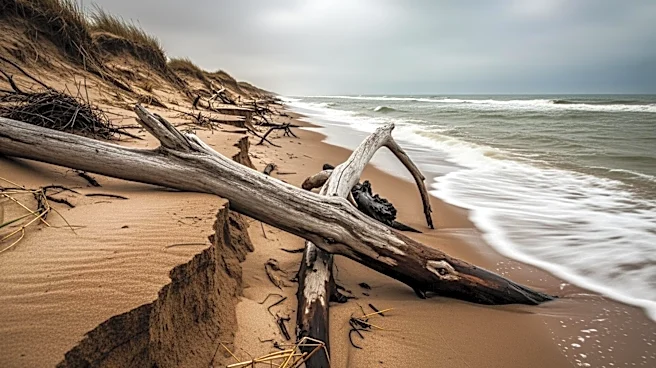
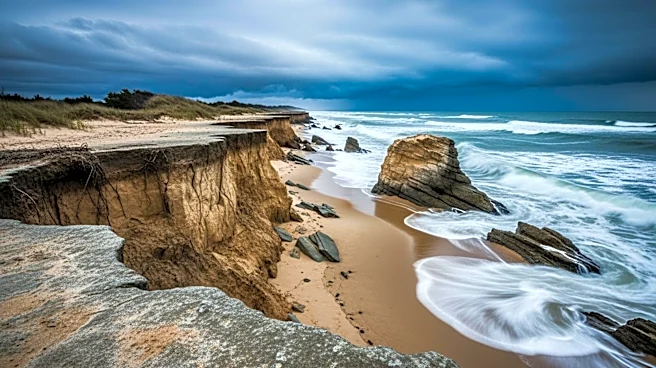
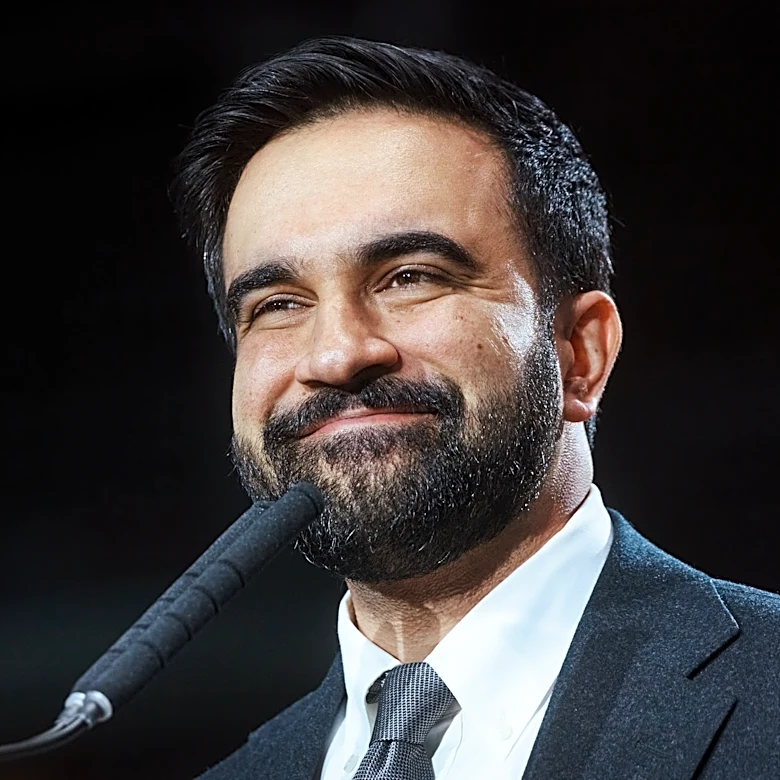
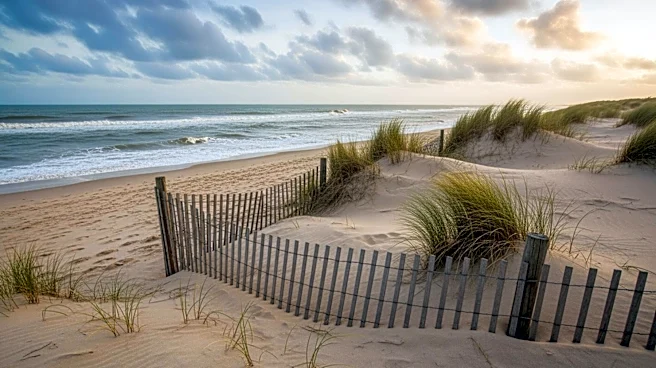
The Bay Foundation, led by CEO Tom Ford, is actively working to protect Los Angeles County beaches from the threat of rising sea levels. The nonprofit organization is focusing on planting native dune vegetation as a natural defense mechanism. These efforts
are aimed at stabilizing the sand dunes, which serve as a buffer against coastal erosion and flooding. The initiative is part of a broader strategy to enhance the resilience of coastal ecosystems in the face of climate change. By using native plants, The Bay Foundation hopes to preserve the natural landscape while providing a sustainable solution to environmental challenges.
Why It's Important?
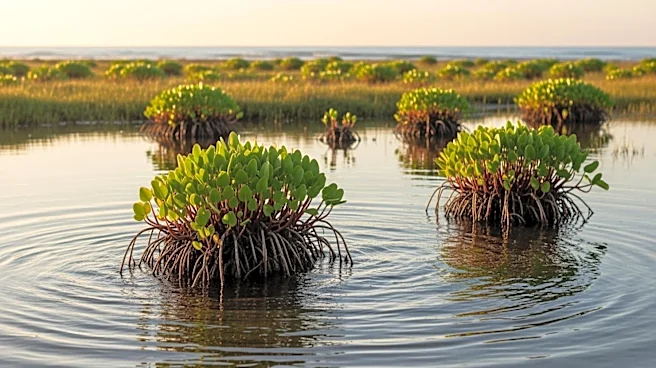
The initiative by The Bay Foundation is crucial in addressing the environmental impacts of climate change, particularly in coastal areas like Los Angeles County. Rising sea levels pose a significant threat to coastal communities, leading to increased flooding and erosion. By planting native vegetation, the foundation is not only protecting the beaches but also promoting biodiversity and ecological health. This approach can serve as a model for other coastal regions facing similar challenges. The project highlights the importance of sustainable environmental practices and the role of nonprofits in driving change.
What's Next?
The Bay Foundation plans to continue its efforts in dune restoration and expand its projects to other vulnerable areas along the California coast. Collaboration with local governments and communities will be essential to the success of these initiatives. Monitoring and research will be conducted to assess the effectiveness of the plantings and make necessary adjustments. The foundation may also seek additional funding and partnerships to support its ongoing work in environmental conservation.
Beyond the Headlines
The use of native plants in dune restoration not only addresses immediate environmental concerns but also contributes to long-term ecological stability. This approach can help mitigate the effects of climate change by enhancing natural defenses and promoting sustainable land management practices. The project underscores the importance of integrating traditional ecological knowledge with modern conservation techniques.