

What's Happening?
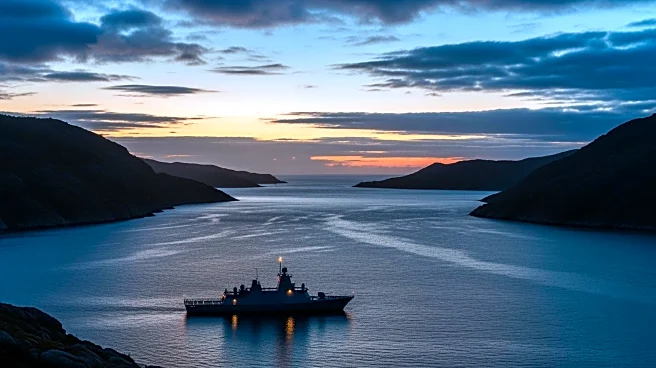
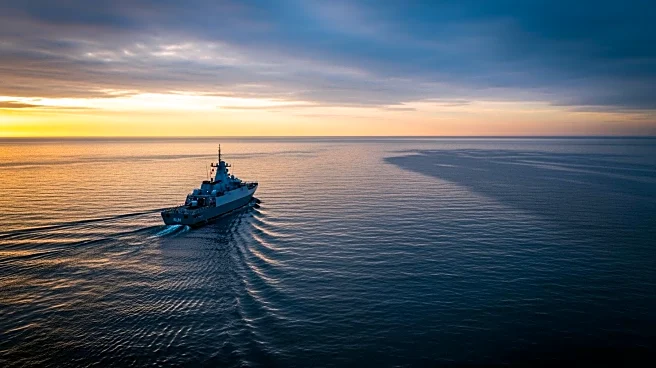
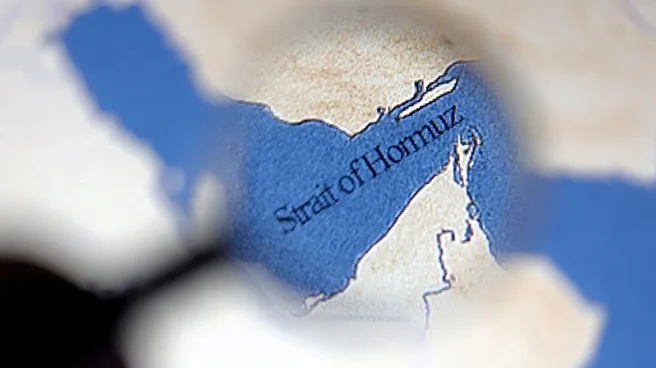
The United States has initiated military actions targeting Iranian naval forces in the Strait of Hormuz, a critical maritime passage for global oil shipments. This move comes amid a broader international effort to ensure safe passage through the strait,
which has been a focal point of tension due to Iran's strategic positioning. A coalition of six nations, including the United Kingdom, France, Germany, Italy, the Netherlands, and Japan, has expressed support for securing the strait but with varying approaches. While the U.S. and Israel favor immediate military intervention, Italy and other European nations advocate for a diplomatic resolution, emphasizing the need for a truce and a multilateral naval coalition. The United Nations has been called upon to provide a legal framework for a peaceful initiative to reopen the strait.
Why It's Important?
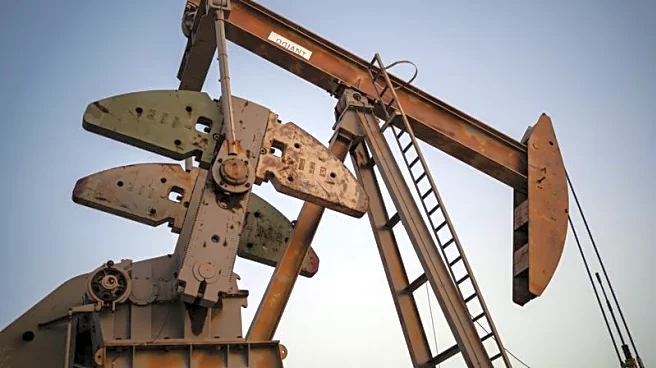
The Strait of Hormuz is a vital artery for the global oil supply, with a significant portion of the world's petroleum passing through it. The U.S. military's involvement underscores the strategic importance of the region and the potential for conflict to disrupt global oil markets. European nations' call for a diplomatic approach highlights the complexities of international relations and the differing strategies among allies. The situation poses significant implications for global trade, energy security, and geopolitical stability. The outcome of these efforts could influence international maritime law and the future of multilateral military cooperation.
What's Next?
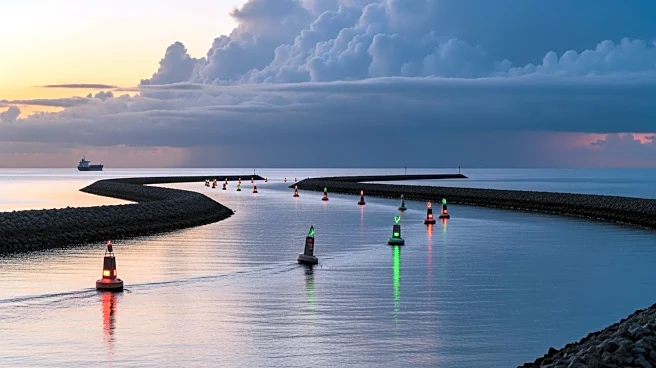
The international community is likely to continue diplomatic negotiations to establish a multilateral framework for securing the Strait of Hormuz. The United Nations may play a pivotal role in facilitating these discussions. Meanwhile, Iran's proposal to impose fees on vessels passing through its protected routes could further complicate the situation, potentially leading to increased tensions or negotiations over maritime rights and fees. The response from global shipping companies and oil markets will be critical in shaping the next steps.
Beyond the Headlines
The differing approaches to securing the Strait of Hormuz reflect broader geopolitical dynamics, including the balance of power between military intervention and diplomatic negotiation. The situation also raises questions about the role of international organizations like the United Nations in conflict resolution and the enforcement of maritime security. Long-term, the events in Hormuz could influence global energy policies and the strategic calculations of nations reliant on oil imports.