







What's Happening?
A research laboratory at Utah State University has been cited by federal investigators for euthanizing 82 naked mole rats using an unapproved method, resulting in their deaths taking significantly longer than necessary. The federal inspection report indicates
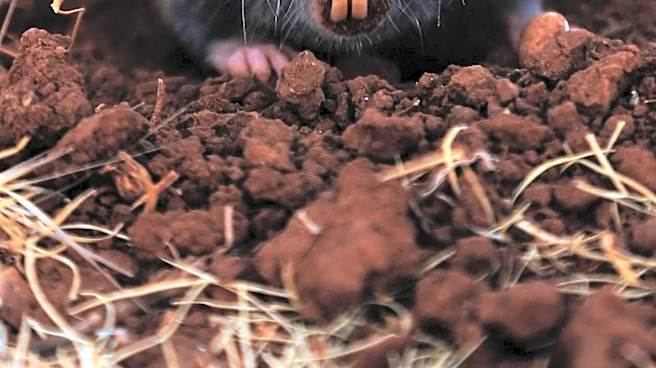
that the lab used carbon dioxide exposure, a method not listed in their approved protocol, to euthanize the animals. Naked mole rats are known for their hypoxia tolerance, meaning they can withstand lower oxygen levels than other animals. This tolerance meant that the carbon dioxide exposure took 40 minutes for the animals to die, which PETA Vice President Alka Chandna described as a 'slow, agonizing suffocation.' The approved method for euthanasia was injection. This incident highlights a critical failure by the university to properly end the suffering of research animals, drawing strong criticism from animal welfare advocates.
Why It's Important?
This incident at Utah State University underscores significant concerns regarding animal welfare in research laboratories across the U.S. The use of unapproved and inhumane euthanasia methods not only violates federal regulations but also raises ethical questions about the treatment of animals in scientific research. Such violations can erode public trust in research institutions and lead to increased scrutiny from animal rights organizations and regulatory bodies. For the scientific community, these findings emphasize the importance of strict adherence to approved protocols and the need for continuous oversight to ensure humane treatment of research subjects. Failure to comply can result in penalties, loss of funding, and damage to institutional reputation. This event also highlights the specific challenges of working with animals like naked mole rats, whose unique biological characteristics require specialized and carefully considered protocols to prevent undue suffering.
What's Next?
Following the federal inspection report, Utah State University will likely face further investigations and potential sanctions from regulatory bodies such as the USDA. The university will be expected to review and revise its animal care and use protocols, particularly concerning euthanasia methods, to ensure compliance with federal guidelines and prevent future occurrences of inhumane treatment. Animal welfare organizations, including PETA, are expected to continue advocating for stricter oversight and accountability in research labs, potentially pushing for policy changes or increased enforcement. This incident may also prompt other research institutions to review their own practices to avoid similar violations and public backlash. The focus will be on implementing robust training programs for lab staff and ensuring that all personnel are fully aware of and adhere to approved animal care protocols.
Beyond the Headlines
The Utah State University incident brings to light a broader issue within animal research: the balance between scientific advancement and ethical treatment of animals. While research involving animals is often deemed necessary for medical and scientific breakthroughs, incidents like this highlight the potential for systemic failures in animal welfare. It prompts a deeper conversation about the adequacy of current regulations, the effectiveness of oversight mechanisms, and the moral responsibilities of researchers. The case also indirectly fuels the ongoing debate about alternatives to animal testing, as advocates argue that such incidents demonstrate the inherent cruelty and unreliability of some animal-based research. This event could contribute to a growing movement towards developing and adopting non-animal testing methods, pushing for a paradigm shift in how scientific research is conducted.