





What's Happening?
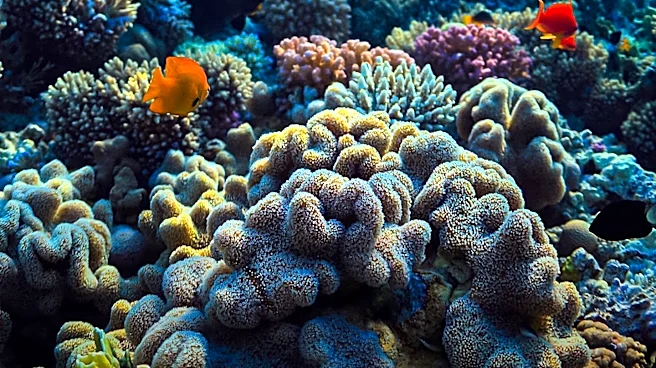
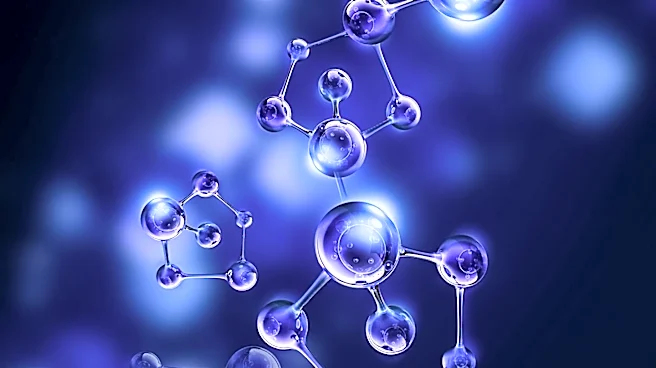
Recent research highlights the untapped potential of coral reefs as reservoirs of bioactive molecules that could lead to new medical and biotechnological advancements. A study published in Nature reveals that corals and their associated microbial communities
are rich in biosynthetic gene clusters, which are responsible for producing natural products with potential applications in medicine, such as antibiotics and cancer-fighting agents. The study, part of the Tara Pacific expedition, analyzed 820 coral samples from 99 reefs across 32 Pacific islands, uncovering a vast microbial diversity with many previously unknown species. However, the ongoing degradation of coral reefs due to environmental stressors threatens the loss of these biological resources before their full potential can be realized.
Why It's Important?
The findings underscore the critical importance of coral reef conservation, not only for preserving biodiversity but also for safeguarding potential medical breakthroughs. The unique microbial communities associated with corals are largely unexplored and could hold the key to developing new drugs and treatments. The loss of coral reefs would mean the loss of these microbial species and their unique chemistry, which could have significant implications for human health and biotechnology. Conservation efforts are essential to protect these ecosystems and the undiscovered biological possibilities they hold.
What's Next?
Conservationists and researchers are likely to intensify efforts to protect coral reefs, emphasizing their value beyond aesthetic and ecological importance. Initiatives may include increased funding for coral reef research, stricter regulations on activities that harm reefs, and public awareness campaigns to highlight the potential medical benefits of coral conservation. The dive community can play a crucial role as citizen scientists and advocates for reef-friendly policies, helping to reduce local damage and foster a stronger conservation ethic.