






What's Happening?
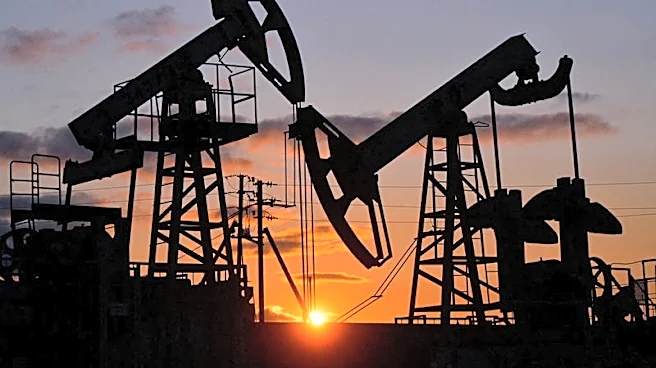
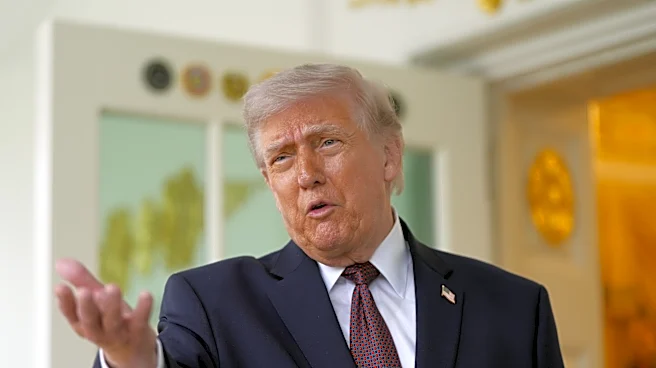
President Donald Trump and his administration are promoting a message of economic resilience despite ongoing concerns related to the Iran war. Trump has emphasized the strength of the stock market and downplayed the impact of rising oil prices, suggesting
that the economy is performing well. Treasury Secretary Scott Bessent supported this view, stating that the economy remains strong and that consumer spending is robust. However, public sentiment appears to contradict these claims, with polls indicating widespread pessimism about economic conditions. The University of Michigan consumer sentiment index has reached a record low, and a CNN poll shows that a majority of Americans believe the economy is poor and that Trump has worsened economic conditions.
Why It's Important?
The economic narrative presented by President Trump is crucial as it influences public perception and voter confidence. Despite the administration's optimistic messaging, the reality of rising inflation and gas prices poses challenges. The disconnect between official statements and public sentiment could impact Trump's political standing and policy effectiveness. If the administration fails to address these economic concerns, it may face increased scrutiny and pressure from both political opponents and the public. The economic strategy during wartime is a significant factor in shaping the administration's legacy and future electoral prospects.
What's Next?
The administration may continue to emphasize positive economic indicators, such as stock market performance, to bolster public confidence. However, addressing inflation and gas prices will be critical to aligning public sentiment with official messaging. Political opponents may leverage economic dissatisfaction to challenge Trump's policies and leadership. The administration's ability to navigate these economic challenges will be pivotal in maintaining political support and ensuring effective governance.
Beyond the Headlines
The broader implications of the administration's economic strategy include potential shifts in public trust and political dynamics. The emphasis on economic resilience amid wartime may reflect broader themes of national strength and stability. However, the risk of public disillusionment could lead to increased political polarization and challenges in achieving bipartisan support for future policies. The administration's approach to economic messaging may also influence international perceptions of U.S. economic stability and leadership.