





What's Happening?
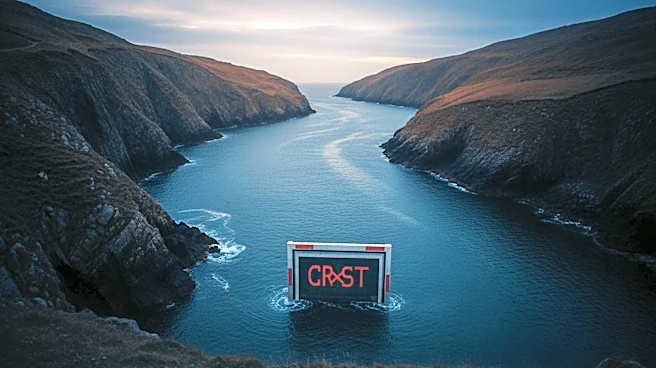
The International Monetary Fund (IMF) has issued a stark warning about the potential global economic impacts of the ongoing conflict involving Iran, the US, and Israel. The war has led to the effective closure of the Strait of Hormuz, a vital passage
for about one-fifth of the world's crude oil supply. This disruption has caused a significant shortfall in global oil supply, with the IMF predicting an oil deficit even if the conflict were resolved immediately. The IMF has downgraded its global growth forecast to 3.1% for 2026, with inflation expected to rise to 4.4%. The organization cautions that a prolonged conflict could lead to a severe energy crisis and push global growth down to 2%, a level associated with recessionary conditions.
Why It's Important?
The closure of the Strait of Hormuz and the resulting energy supply disruptions have far-reaching implications for the global economy. Rising energy prices contribute to inflationary pressures, affecting consumer purchasing power and increasing production costs for businesses. The IMF's warnings highlight the vulnerability of the global economy to geopolitical tensions and the interconnectedness of energy markets. Countries reliant on oil imports may face economic challenges, and the situation could strain international relations as nations navigate the economic fallout. The potential for a global recession underscores the need for coordinated international efforts to address the crisis and stabilize energy markets.
What's Next?
As the conflict continues, the IMF and other international organizations will likely engage in discussions to address the economic challenges posed by the war. Policymakers may consider measures to mitigate the impact of rising energy prices on consumers and businesses, such as subsidies or strategic oil reserves. Diplomatic efforts to resolve the conflict and reopen the Strait of Hormuz will be critical in preventing further economic deterioration. The situation remains dynamic, and global leaders will need to monitor developments closely to adapt their strategies and prevent a deepening economic crisis.