
What's Happening?
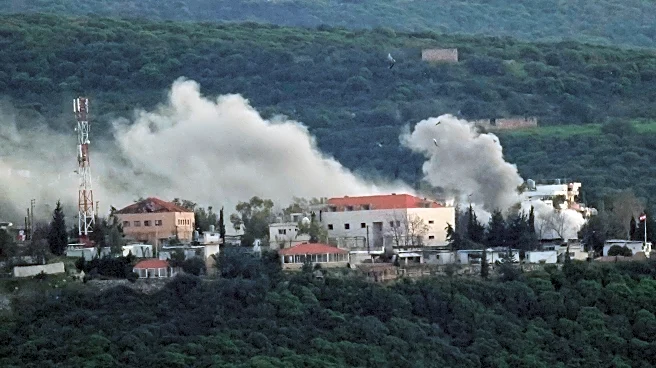
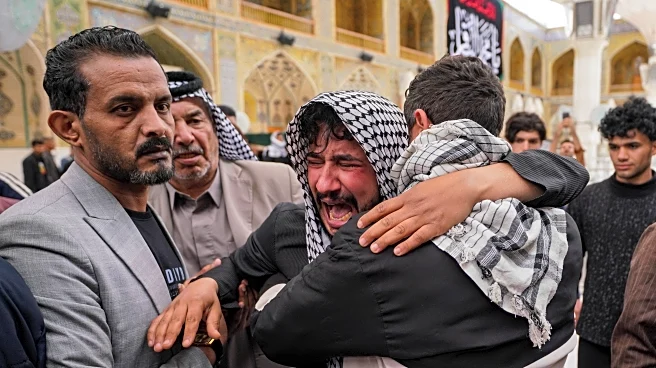
An Israeli military strike in southern Lebanon has reportedly resulted in the deaths of three journalists. Among those killed was Ali Shoeib, a veteran reporter for Al-Manar, a news network associated with Hezbollah. The Israeli Defense Forces (IDF) have
claimed that Shoeib was a member of Hezbollah's elite Radwan force and was involved in activities to expose the locations of IDF soldiers operating in the region. This incident is part of ongoing tensions and military engagements between Israel and Hezbollah, with the IDF targeting what it describes as military threats in Lebanon.
Why It's Important?
The reported deaths of journalists in military conflicts raise significant concerns about press freedom and the safety of media personnel in conflict zones. This incident highlights the dangerous conditions under which journalists operate, particularly in regions with ongoing military conflicts. The involvement of a journalist allegedly linked to a militant group like Hezbollah complicates the narrative, potentially affecting international perceptions of media neutrality and the role of journalists in conflict areas. The situation underscores the broader geopolitical tensions in the Middle East, particularly between Israel and Hezbollah, and the impact of these conflicts on civilian and media safety.
What's Next?
The incident is likely to draw international attention and could lead to calls for investigations into the safety of journalists in conflict zones. Media organizations and human rights groups may demand accountability and measures to protect journalists. The ongoing conflict between Israel and Hezbollah is expected to continue, with potential for further military engagements. Diplomatic efforts may be necessary to address the underlying tensions and prevent further escalation, while ensuring the protection of journalists and civilians in the region.