




What's Happening?
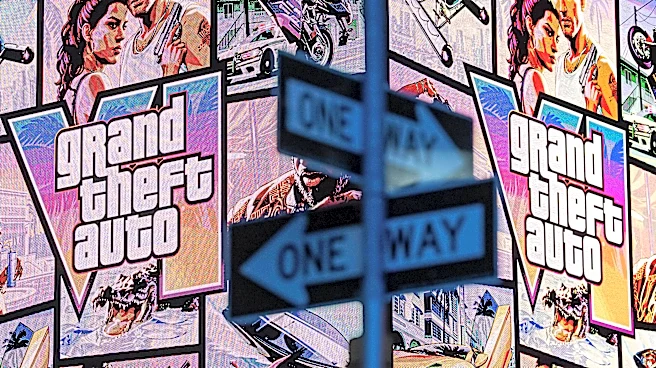
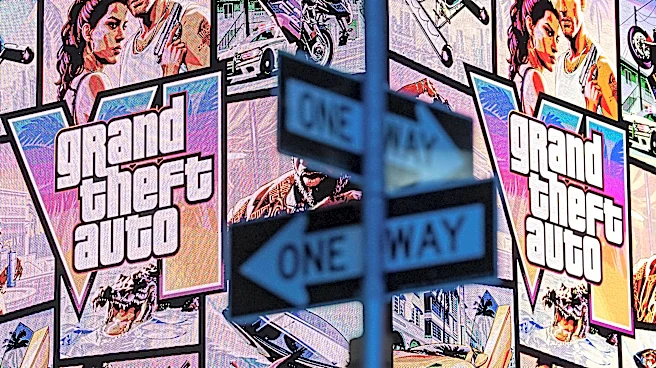
The release of 'Grand Theft Auto VI' (GTA VI) has sparked a division among U.S. Congress members, with Republican Congressman Tim Burchett of Tennessee and Democratic Congressman Maxwell Frost of Florida expressing opposing views. Congressman Burchett compared
the game to a 'criminal training manual,' arguing that it desensitizes children and that parents who allow their kids to play it are 'bad parents.' He believes there's a direct link between violent video games and real-world violence, citing scenarios like stealing cars at gunpoint and shooting police. Conversely, Congressman Frost dismissed the criticism as overblown, revealing his excitement for the game and his intention to purchase a PlayStation 5 specifically to play it. Frost emphasized that parental discretion is key, noting his own upbringing where he was not allowed to play GTA but had to settle for 'The Simpsons: Hit & Run.' He also pointed out that other countries have similar video games without the same level of gun violence seen in America.
Why It's Important?
This congressional disagreement highlights the ongoing cultural and political debate in the U.S. regarding the impact of video games on society, particularly on youth. Congressman Burchett's stance reflects a segment of public opinion that attributes real-world violence to media content, a view that has historically influenced policy discussions and public perception of the entertainment industry. On the other hand, Congressman Frost's perspective represents a more contemporary view, suggesting that personal responsibility and parental guidance are more significant factors than the games themselves. This divergence underscores the challenge for policymakers in addressing complex social issues where scientific consensus (which largely finds no direct link between video games and violence) often clashes with deeply held moral and cultural beliefs. The debate also touches upon the broader issue of freedom of expression versus perceived societal harm, a perennial tension in American public discourse.
What's Next?
Despite the strong opinions expressed by both congressmen, Congressman Burchett has indicated that he does not expect Congress to intervene legislatively, humorously noting the difficulty of legislating morality. This suggests that no immediate federal action or legislation targeting video games is likely to emerge from this particular debate. The discussion will likely continue in public forums, media, and within families as parents grapple with decisions about their children's entertainment. The video game industry will likely continue to rely on existing rating systems, such as the ESRB, to inform consumers about content. The contrasting views from Capitol Hill reflect a broader societal conversation that is expected to evolve as video games become an even more integral part of mainstream culture.
Beyond the Headlines
The differing opinions on GTA VI among members of Congress reveal a generational and ideological divide in how digital entertainment is perceived and understood. Congressman Burchett's concerns echo sentiments from past decades, while Congressman Frost's embrace of the game reflects a more modern perspective that views video games as a legitimate form of entertainment, distinct from real-world actions. This debate extends beyond just video games, touching on broader questions about media literacy, the role of parents in guiding their children's media consumption, and the effectiveness of blaming media for societal problems. The ongoing discussion also highlights the complexities of regulating or influencing cultural products in a free society, especially when scientific evidence does not strongly support claims of direct harm. It underscores the need for nuanced conversations that consider multiple factors contributing to societal issues, rather than solely focusing on entertainment content.