


What's Happening?
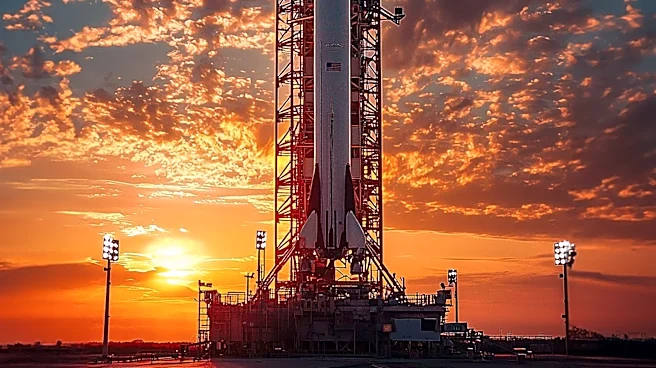
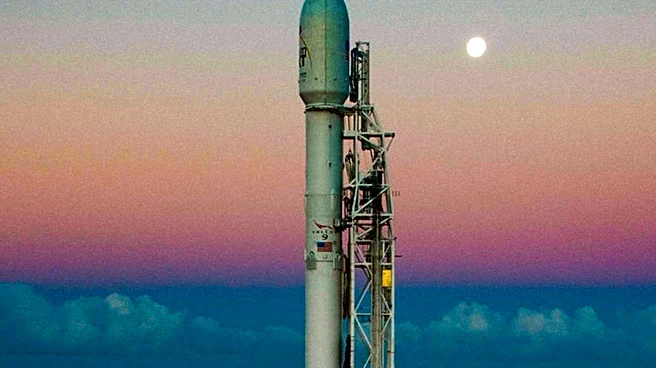
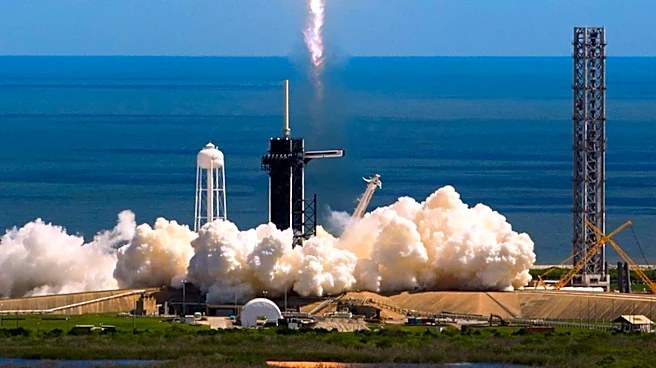
A SpaceX rocket's upper stage is set to unintentionally collide with the moon, creating a crater and a dust plume. The collision, expected to occur near the Einstein Crater, will happen at a speed of 5,400 mph. This event follows the rocket's launch of two
lunar landers over a year ago. The collision is not expected to pose a significant threat but highlights the increasing issue of space debris. Scientists and sky gazers are eager to observe the impact, which will provide valuable data on lunar impacts and space debris management.
Why It's Important?
The collision underscores the growing problem of space debris as more objects are launched into orbit. This incident serves as a reminder of the potential hazards space junk poses to future lunar missions and the need for effective debris management strategies. The event offers a rare opportunity for scientists to study the effects of a lunar impact, which could inform future space exploration efforts. The incident also raises questions about the responsibility of private companies in managing space debris and the need for international cooperation in space governance.
What's Next?
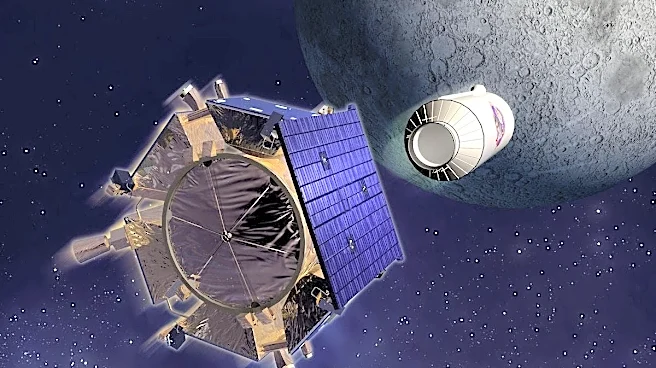
NASA's Lunar Reconnaissance Orbiter and South Korea's Danuri lunar orbiter will capture images of the impact site to study the effects of the collision. These observations will help improve models of lunar impacts and inform future space exploration strategies. The event may prompt discussions among space agencies and private companies about developing better strategies for space debris management. As space exploration continues to expand, addressing the challenges of space junk will be crucial to ensuring the sustainability of future missions.