






What's Happening?
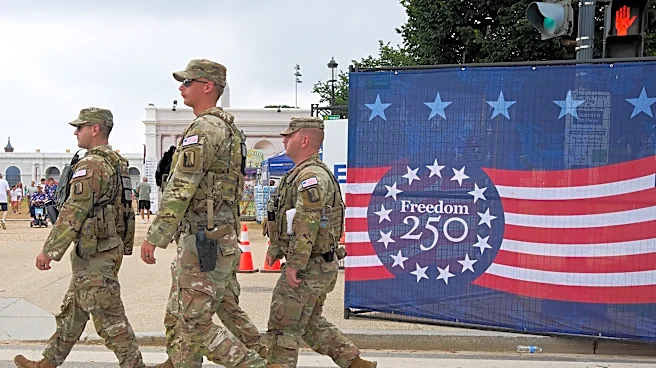
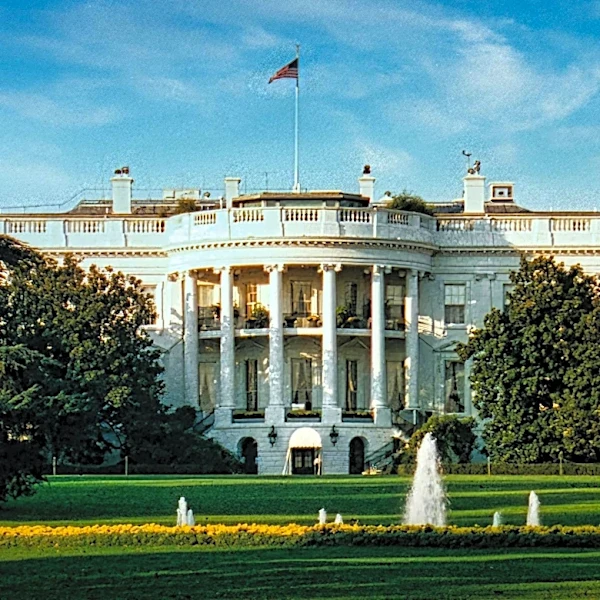
Democratic-led states are facing backlash for their National Guard deployments to Washington, D.C., during the 250th anniversary celebrations of U.S. independence. The deployment, initially intended to secure festivities, has been criticized for being
part of President Trump's ongoing National Guard presence in the capital, which began in August 2025 due to crime concerns. Activists and civic groups have urged Michigan Governor Gretchen Whitmer to withdraw her state's troops, citing misuse. Minnesota has already decided to end its deployment early. The presence of National Guard troops has been contentious, with accusations of their involvement in law enforcement activities beyond the intended scope of securing events.
Why It's Important?
The controversy highlights tensions between state governments and the federal administration over the use of National Guard forces. The deployment raises questions about the balance of power and the appropriate use of military resources in domestic settings. The situation underscores the political and social implications of military involvement in civilian affairs, particularly in a politically charged environment. The ongoing debate could influence future policies regarding the deployment of National Guard troops and the role of state versus federal authority in such decisions.
What's Next?
Minnesota's early withdrawal of its National Guard troops may prompt other states to reconsider their involvement. Michigan's Governor Whitmer has threatened to end her state's deployment if further misuse is reported. The situation may lead to legal challenges or policy reviews regarding the deployment of National Guard forces in domestic contexts. Stakeholders, including state governments, federal agencies, and civic groups, will likely continue to engage in discussions about the appropriate use of military resources in civilian settings.