
What's Happening?
Medical professionals emphasize the critical role of thermometers in assessing health conditions, particularly during illnesses such as colds, flu, and COVID-19. Dr. Cory Fisher from the Cleveland Clinic
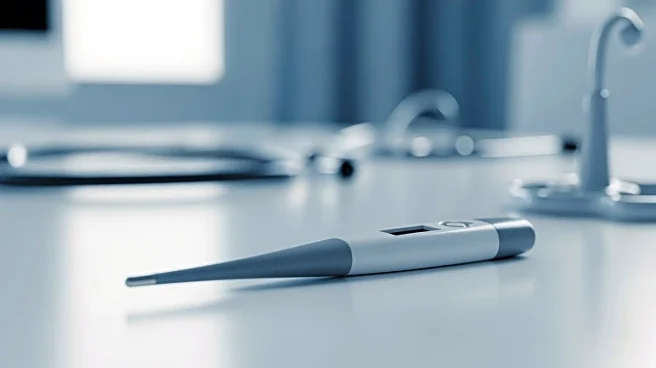
highlights that a temperature over 100.4 degrees Fahrenheit is considered a fever, which is a natural immune response to infections. Different types of thermometers, including digital, ear, and forehead models, are available, each with varying degrees of accuracy. Dr. Heather Viola from Mount Sinai Doctors Ansonia advises that oral thermometers are most accurate for adults and children over four, while rectal thermometers are recommended for infants. Ear thermometers, though convenient, can be costly and less reliable if not positioned correctly. Forehead thermometers, using infrared technology, are generally less reliable than other types. The choice of thermometer should consider comfort, ease of use, and the specific needs of the household.
Why It's Important?
Accurate temperature readings are vital for determining the severity of an illness and guiding treatment decisions. Inaccurate readings can lead to misdiagnosis or delayed treatment, potentially worsening health outcomes. The availability of various thermometer types allows for tailored choices based on age and comfort, ensuring more reliable health monitoring. This is particularly important in managing public health, as timely and accurate fever detection can help control the spread of infectious diseases. The guidance from medical experts helps consumers make informed decisions, enhancing overall health management and reducing healthcare costs by preventing unnecessary medical visits.
What's Next?
As technology advances, the development of more accurate and user-friendly thermometers is expected. Innovations may include smart-connected devices that track temperature trends over time, providing valuable data for healthcare providers. Public health campaigns could focus on educating the public about the importance of accurate temperature monitoring and the proper use of different thermometer types. Healthcare providers may also advocate for the inclusion of thermometers in health savings accounts to increase accessibility. Continued research and expert recommendations will likely shape future consumer choices and healthcare practices.
Beyond the Headlines
The emphasis on accurate temperature monitoring reflects broader trends in personalized healthcare and preventive medicine. As consumers become more health-conscious, the demand for reliable home health devices is likely to grow. This shift could lead to increased investment in health technology and innovation, driving economic growth in the medical device sector. Additionally, the focus on accurate health monitoring aligns with public health goals of early disease detection and management, potentially reducing the burden on healthcare systems.