



What's Happening?
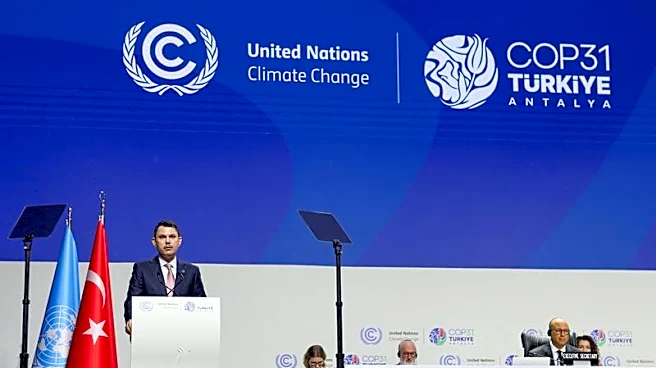
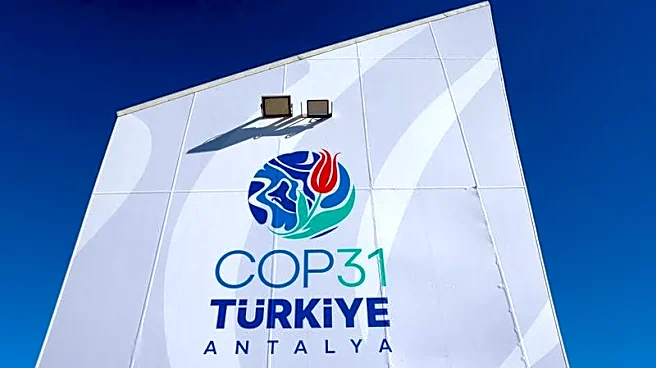
The 31st Conference of the Parties to the United Nations Framework Convention on Climate Change (UNFCCC), known as COP31, is set to take place from November 9 to 20 at the Antalya Expo Center in Turkey. The summit is expected to host approximately 100
world leaders, over 300 ministers, and a total of around 100,000 attendees. This includes representatives from 197 UNFCCC member countries, international organizations, businesses, researchers, youth groups, Indigenous peoples, and civil society organizations. The venue, located in the Aksu district, spans over one million square meters and is equipped to handle the large-scale event. Turkish Minister of Environment, Urbanization and Climate Change Murat Kurum, who serves as COP31 President, highlighted the extensive preparations. The infrastructure includes 225 pavilions requested by 98 countries, 72 NGOs, 39 intergovernmental organizations, and 16 UN agencies, marking a record for these conferences. A press center will accommodate 4,000 journalists, with over 3,000 already accredited.
Why It's Important?
COP31 serves as a critical global platform for climate policymaking, bringing together a diverse array of stakeholders to address the urgent climate crisis. The sheer scale of participation, with nearly 100 world leaders and 100,000 attendees, underscores the international community's recognition of the need for concerted action. The summit's focus on sustainability within its own operations, including emissions measurement, energy efficiency, and waste reduction, aims to set an example for climate objectives. The discussions and agreements reached at COP31 will significantly influence global climate strategies, potentially leading to new commitments, policies, and collaborations aimed at limiting global temperature rise and achieving net-zero emissions. The involvement of various sectors, from governments to civil society, highlights the multifaceted approach required to tackle climate change, impacting future environmental regulations, technological advancements, and economic transitions worldwide.
What's Next?
Over the 12-day summit, participants will engage in a series of diplomatic meetings, negotiations, and discussions to advance global climate action. Key outcomes are expected to include new pledges from nations to reduce greenhouse gas emissions, agreements on climate finance for developing countries, and strategies for adaptation and resilience to climate impacts. The presence of a large media contingent suggests extensive global coverage, which could raise public awareness and pressure on governments to implement more ambitious climate policies. Following the summit, the focus will shift to the implementation of any new commitments and the monitoring of progress towards established climate goals. The record number of pavilions and diverse representation indicate a strong push for collaborative solutions, which could lead to new international partnerships and initiatives in climate technology and sustainable development.
Beyond the Headlines
The organization of COP31 in Turkey reflects the growing geopolitical importance of climate diplomacy and the role of host nations in shaping global environmental agendas. The extensive security arrangements, covering dignitary protection, participant safety, and cybersecurity, highlight the complex logistical and political challenges inherent in such large-scale international gatherings. The summit's commitment to sustainability in its own operations, while symbolic, also sets a precedent for how major international events can align with their stated objectives. The diverse representation, including Indigenous peoples and youth, underscores a broader recognition of the need for inclusive climate solutions that consider varied perspectives and impacts. The outcomes of COP31 could influence not only environmental policy but also international relations, trade agreements, and technological innovation, as countries seek to align their economic and developmental goals with climate imperatives.