





What's Happening?
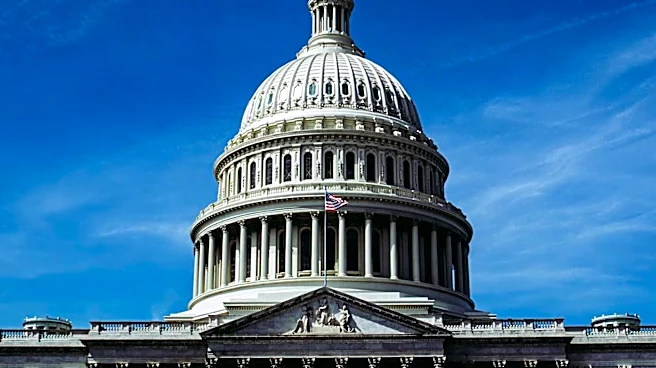
The China Select Committee in the U.S. House has initiated a national security investigation into several major pharmaceutical companies regarding their use of clinical trial sites in China. The companies, including MSD, AbbVie, and Bristol Myers Squibb,
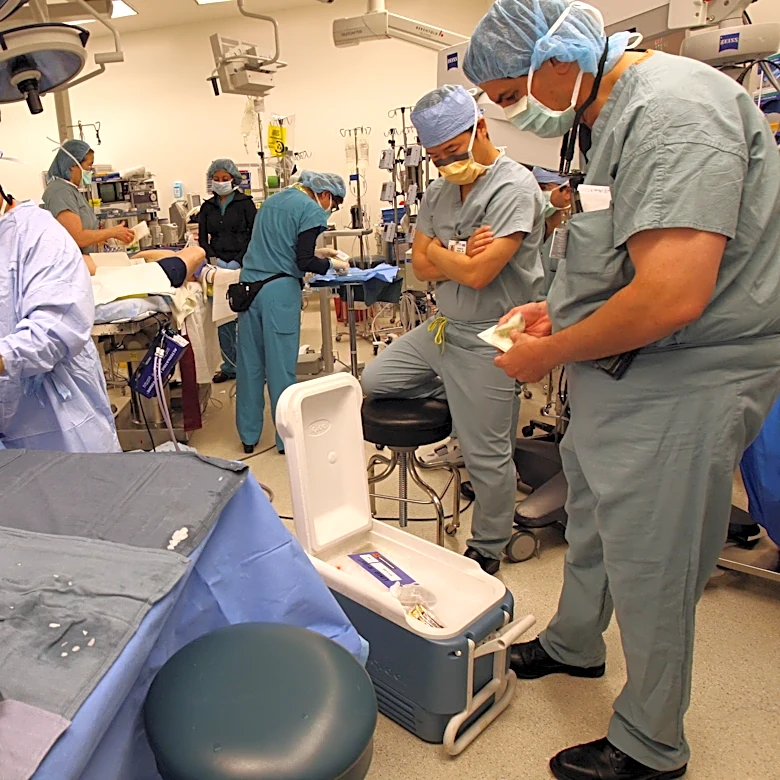
have been asked to provide details about their trials in China, particularly those linked to the Chinese military and locations in Xinjiang. This region is known for the persecution of Uyghurs and other Turkic minorities. The committee, led by Chair John Moolenaar, is seeking assurances that trial participants are involved voluntarily and with informed consent. The investigation highlights concerns over ethical and security risks associated with conducting trials in China, which has become a hub for early-stage drug trials due to regulatory reforms and state subsidies.
Why It's Important?
This investigation underscores the growing tension between the U.S. and China in the biopharmaceutical sector. As China emerges as a significant player in global drug development, U.S. lawmakers are increasingly concerned about the ethical implications and national security risks of American companies conducting trials in China. The scrutiny could impact U.S. biopharma companies' operations and collaborations with Chinese entities, potentially leading to stricter regulations and oversight. This move is part of a broader effort to protect U.S. biopharma interests and ensure ethical standards in clinical research, which could have significant implications for the industry's global operations and partnerships.
What's Next?
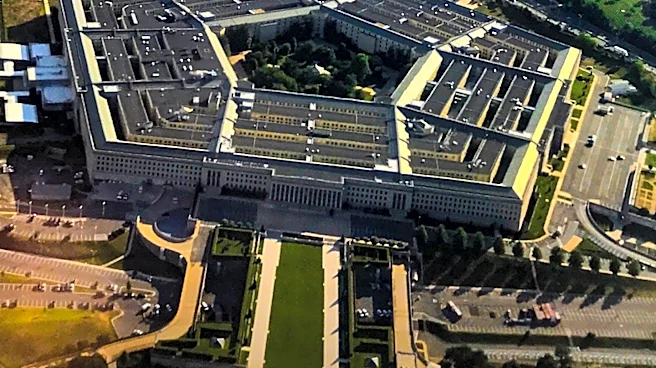
The pharmaceutical companies have been asked to respond to the committee's inquiries by July 17. Meanwhile, the U.S. Department of Health and Human Services (HHS) plans to implement measures under Operation Trailblazer to enhance domestic drug research capabilities. Additionally, the Biotech Investment National Security Act (BINSA) has been introduced to subject biotechnology investments involving Chinese entities to U.S. Treasury Department review. These developments suggest a tightening of U.S. policies on international collaborations in the biotech sector, particularly with China, which could lead to increased regulatory scrutiny and potential restrictions on future investments and partnerships.