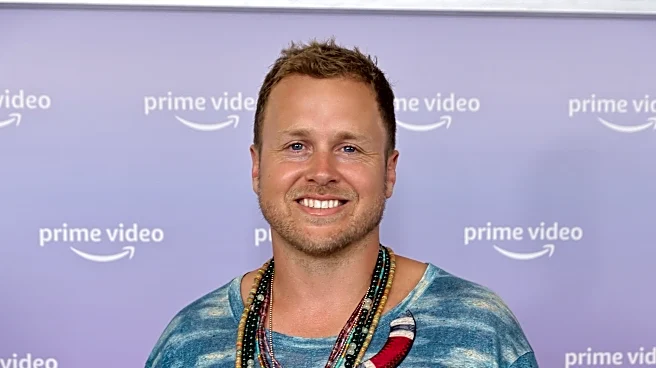

What's Happening?
Jimmy Kimmel has publicly criticized Spencer Pratt's campaign for Mayor of Los Angeles, describing the reality TV star as a 'narcissist looking for attention.' During a monologue on 'Jimmy Kimmel Live!',
Kimmel expressed skepticism about Pratt's intentions, suggesting that his campaign is more about regaining fame than addressing city issues. Kimmel highlighted the challenges facing Los Angeles, such as ineffective leadership and the need for experienced governance. He questioned Pratt's qualifications, noting his lack of political experience and past financial decisions. Kimmel's comments come as the June 2 primary approaches, with Pratt's candidacy drawing both attention and controversy.
Why It's Important?
Kimmel's critique of Pratt's mayoral bid underscores broader concerns about celebrity involvement in politics. The rise of public figures with limited political experience running for office raises questions about the qualifications necessary for effective governance. Kimmel's comments reflect a sentiment shared by many voters who prioritize experience and policy knowledge over celebrity status. This situation also highlights the media's role in shaping public perception of political candidates, as high-profile endorsements or criticisms can significantly influence voter opinions. The outcome of Pratt's campaign could set a precedent for future celebrity candidates, impacting how political campaigns are conducted and perceived.
What's Next?
As the primary election date nears, Pratt's campaign will likely continue to garner media attention, both supportive and critical. Voters will have to decide whether Pratt's celebrity status and personal experiences resonate with their expectations for leadership. The election results could influence future political strategies, particularly for candidates from non-traditional backgrounds. Meanwhile, other candidates in the race may adjust their campaigns in response to Pratt's media coverage, seeking to differentiate themselves and appeal to voters seeking substantive policy discussions.