






What's Happening?
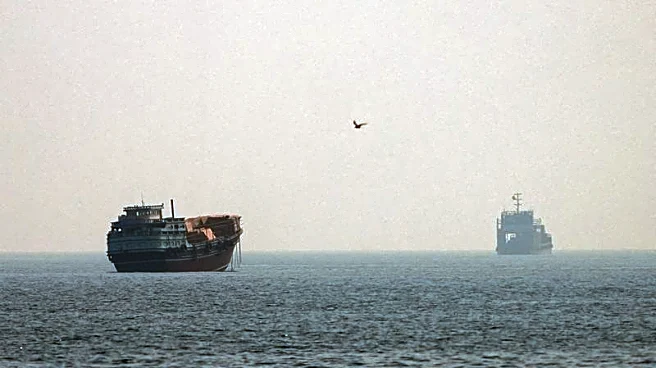
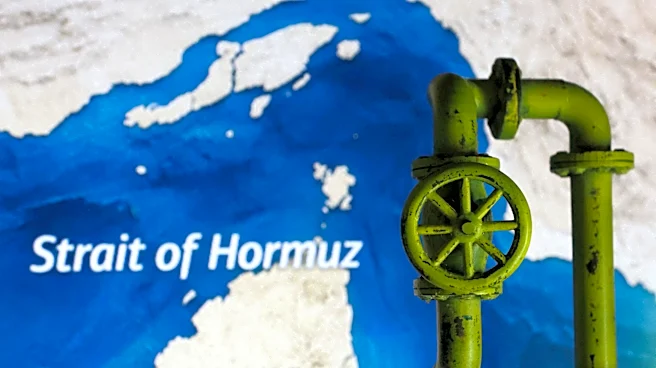
President Trump has reinstated a blockade on Iranian ports, a significant move in the ongoing tensions between the United States and Iran. This action marks a continuation of the strained relations that have characterized the two nations' interactions
in recent years. The blockade is expected to impact Iran's ability to engage in international trade, potentially exacerbating economic challenges within the country. This decision comes amidst a backdrop of geopolitical maneuvering and reflects the administration's stance on curbing Iran's influence in the region.
Why It's Important?
The reinstatement of the blockade on Iranian ports by President Trump is a critical development in U.S.-Iran relations. This move could have significant implications for global oil markets, as Iran is a major oil producer. Disruptions in Iranian oil exports could lead to fluctuations in global oil prices, affecting economies worldwide. Additionally, this action may further strain diplomatic relations between the U.S. and its allies, some of whom may be impacted by the blockade's economic consequences. The decision underscores the administration's hardline approach to Iran, which could influence future diplomatic and military strategies in the Middle East.
What's Next?
Following the reinstatement of the blockade, it is anticipated that there will be a range of international reactions. Iran may seek to challenge the blockade through diplomatic channels or by seeking support from allied nations. The U.S. may also face pressure from other countries to reconsider or modify its stance, especially if the blockade leads to significant economic disruptions. Monitoring the responses from key stakeholders, including the European Union and Middle Eastern countries, will be crucial in understanding the broader geopolitical impact of this decision.