







What's Happening?
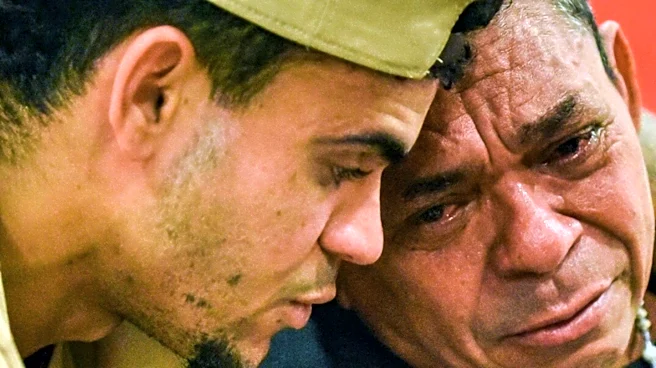
An altruistic kidney donation has unexpectedly reunited a survivor of a terrorist attack with the brother of the man who saved his life 24 years ago. Yonatan Rom, who participated in an Israeli paired kidney exchange program as an anonymous donor, was
matched with Reuven Tam, whose brother Eyal Tam was the emergency response squad commander during the Atzmona massacre in 2002. The attack, which occurred in the Israeli community of Atzmona in the Gaza Strip, resulted in the deaths of five students and injuries to 21 others. Eyal Tam's quick response was crucial in ending the attack. Rom, who was a teacher at the pre-military academy at the time, discovered the connection during a meeting with Reuven Tam at Clalit-Beilinson Hospital. The transplant has been described as an 'almost unbelievable full circle' by Dr. Eviatar Nesher, Director of the Transplant Department at Clalit-Beilinson Hospital.
Why It's Important?
This story highlights the profound impact of altruistic organ donation and the unexpected ways it can connect lives. The reunion between Rom and Tam underscores the lasting effects of past events and the potential for healing and reconciliation through acts of kindness. The transplant not only provides Reuven Tam with a new chance at life but also serves as a testament to the enduring bonds formed in times of crisis. The event has been celebrated as a remarkable example of selflessness and the power of human connection, offering hope and inspiration to others considering organ donation.
What's Next?
Following the successful transplant, both Rom and Tam have expressed a desire to maintain their newfound friendship. The Clalit-Beilinson Hospital continues to perform over 200 kidney transplants annually, and this story may encourage more individuals to consider becoming altruistic donors. The hospital's transplant program is likely to see increased interest and participation, potentially leading to more life-saving connections and stories of hope.
Beyond the Headlines
The reunion between Rom and Tam also raises broader questions about the nature of altruism and the ethical dimensions of organ donation. It challenges societal perceptions of selflessness and the motivations behind such acts, prompting discussions on how these actions can foster community resilience and healing. The story may inspire further research into the psychological and social impacts of organ donation, as well as the development of policies to support and encourage altruistic donations.