


What's Happening?
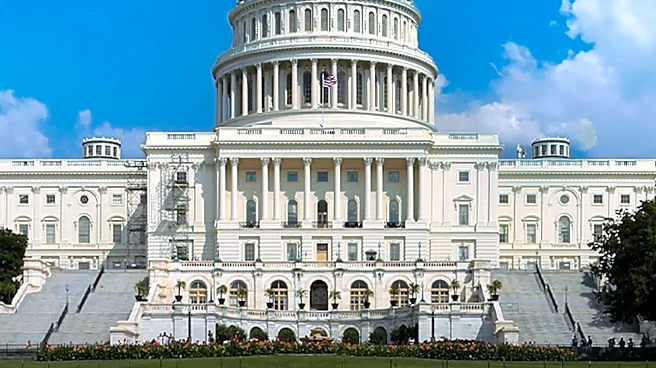
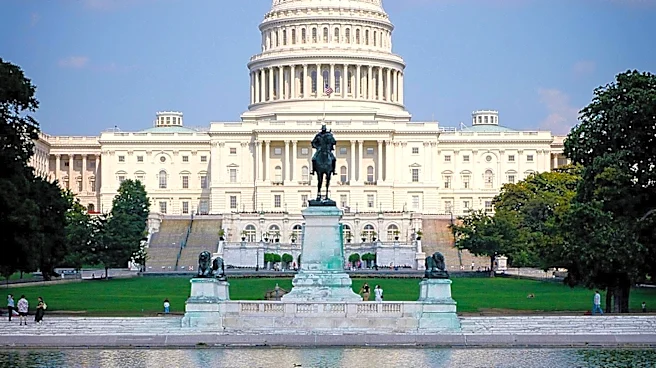
U.S. Representative Laura Gillen (D-NY) has introduced companion legislation in the House of Representatives alongside Representative Rob Bresnahan (R-Pa.) to improve traffic safety and expand eligibility for federal funding in infrastructure projects.
This House bill mirrors the Visionary Intersections Modernization Act, introduced in the Senate by Senators Todd Young (R-Ind.) and Gary Peters (D-Mich.). The proposed legislation aims to amend the Surface Transportation Block Grant Program, specifically to include the construction of roundabouts as an eligible use of federal funding. The initiative is supported by several organizations, including Advocates for Highway and Auto Safety, the American Society of Civil Engineers, the American Traffic Safety Services Association, and the Safe Routes Partnership. The goal is to provide states and local communities with more options for federal funding to construct roundabouts, which have been shown to improve traffic flow and reduce serious accidents.
Why It's Important?
This bipartisan legislative effort is significant for U.S. infrastructure and public safety. By making roundabouts explicitly eligible for federal funding through the Surface Transportation Block Grant Program, the bill could lead to a nationwide increase in their construction. Roundabouts have demonstrated effectiveness in reducing traffic accidents and improving traffic flow, as evidenced by cities like Carmel, Indiana, where accidents with injuries have decreased by approximately 80% and overall accidents by 40% since the late 1990s. This expansion of funding eligibility would empower local communities to implement proven safety measures, potentially saving lives and reducing the economic burden associated with traffic accidents. It also represents a collaborative approach to infrastructure development, offering greater flexibility to states and local governments in addressing their specific transportation needs.
What's Next?
The companion legislation introduced by Representatives Gillen and Bresnahan will now proceed through the legislative process in the House of Representatives. Its progress will likely involve committee hearings, potential amendments, and votes. Should it pass the House, it would then need to be reconciled with the Senate version of the Visionary Intersections Modernization Act before it can be sent to the President for signature. The support from various safety and civil engineering organizations suggests a broad consensus on the benefits of roundabouts, which may aid its passage. The outcome will determine whether communities across the country gain increased access to federal funds for roundabout construction, potentially leading to a significant shift in traffic infrastructure development.
Beyond the Headlines
Beyond the immediate impact on traffic safety and infrastructure funding, this legislation highlights a broader trend towards evidence-based policy-making in transportation. The emphasis on roundabouts, backed by data demonstrating their effectiveness in reducing accidents, reflects a move away from traditional intersection designs that may be less safe. This shift could encourage further innovation and adoption of modern traffic management solutions across the U.S. Moreover, the bipartisan nature of the bill, with both Democratic and Republican sponsors in both chambers, underscores a potential for cooperation on issues of national importance, even in a politically divided climate. This collaborative approach could serve as a model for addressing other pressing infrastructure and safety challenges.