







What's Happening?
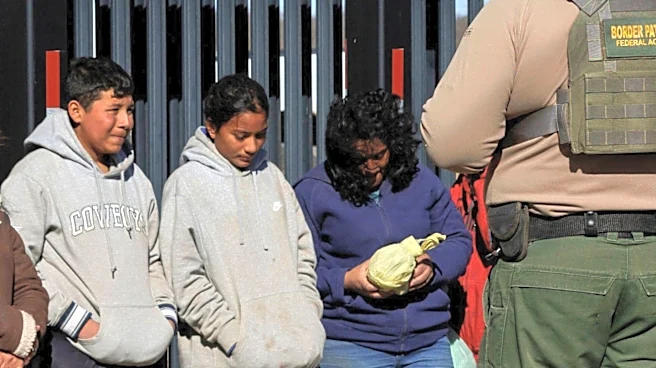
The Pennsylvania Western District Court has recorded a new case, PAREDES ALVAREZ v. ODDO, with case number 3:26-cv-02209. The nature of the suit is categorized as '463 Immigration - Habeas Corpus - Alien Detainee,' and the cause is listed as '28:2241
Petition for Writ of Habeas Corpus (Pretrial Detainee).' The petitioner in this case is Keibert Jose Gregorio Paredes Alvarez, identified by A245625804, and currently located at MOSHANNON VALLEY PROCESSING CENTER LEGAL MAIL in Philipsburg, PA. The respondent is Leonard Oddo. The case was filed on November 17, 2026. This legal action indicates a challenge to the detention of an alien, seeking a writ of habeas corpus to determine the legality of their confinement.
Why It's Important?
This case is important as it highlights the ongoing legal challenges within the U.S. immigration system, particularly concerning the detention of non-citizens. Habeas corpus petitions are fundamental legal tools used to contest unlawful detention, ensuring that individuals are not held without due process. For alien detainees, these petitions are often a critical avenue to challenge the grounds of their custody, especially in cases where deportation proceedings are underway or have been concluded. The outcome of such cases can influence detention policies, the interpretation of immigration laws, and the rights of individuals held in immigration facilities. It also underscores the role of federal courts in overseeing the executive branch's actions in immigration enforcement, providing a check on potential overreach or errors in detention decisions. The case's progression will be closely watched by immigration advocates and legal experts.
What's Next?
Following the filing of the petition, the court will likely review the merits of Keibert Jose Gregorio Paredes Alvarez's claim. The respondent, Leonard Oddo, will be required to provide a response, detailing the legal basis for Alvarez's detention. The court will then schedule hearings to consider arguments from both sides. Depending on the court's findings, it could order Alvarez's release, mandate a review of his detention, or uphold the current detention. This process can be lengthy, involving multiple legal filings and court appearances. The decision in this case could potentially set precedents or influence how similar habeas corpus petitions are handled in the Pennsylvania Western District Court, impacting other detainees in similar situations.
Beyond the Headlines
The filing of a habeas corpus petition by an alien detainee often points to broader systemic issues within the U.S. immigration detention framework. These cases frequently raise questions about the conditions of detention, access to legal counsel, and the fairness of immigration proceedings. The legal battle for habeas corpus can expose vulnerabilities in the system, such as prolonged detention without clear justification or challenges to the validity of removal orders. Beyond the individual's fate, such cases contribute to the ongoing national dialogue about immigration reform, human rights, and the balance between national security and individual liberties. The outcome could also draw attention to the Moshannon Valley Processing Center, potentially leading to scrutiny of its operational practices and adherence to legal standards for detainee welfare.