






What's Happening?
The organic food model is gaining prominence as a commitment to sustainable and health-conscious food production. This model defines organic foods as products grown and processed without synthetic fertilizers, pesticides, genetically modified organisms
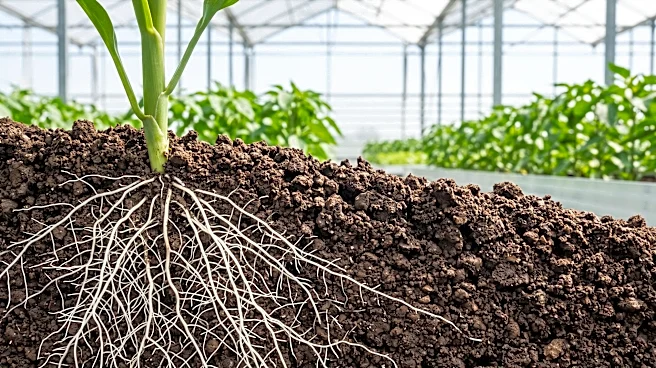
(GMOs), and artificial preservatives. Strict standards set by regulatory bodies ensure that farming methods and production processes contribute positively to ecological balance. Key principles include maintaining soil health through natural composting, crop rotation, and cover cropping, which enhances fertility and promotes thriving ecosystems. Organic farming also encourages biodiversity by cultivating diverse crops and native plants to support local wildlife and naturally control pests. The model strictly prohibits GMOs to maintain the integrity of seed varieties and agricultural practices. Furthermore, it mandates humane conditions for animals, providing them with outdoor access and organic feed, and focuses on sustainable practices to minimize environmental impact, such as water conservation and reduced carbon footprints. Consumers can identify organic foods by looking for certification labels from accredited organizations like USDA Organic.
Why It's Important?
The organic food model holds significant importance for U.S. consumers, the environment, and the agricultural industry. For consumers, it offers reduced exposure to harmful chemicals often found in conventionally grown produce, with studies suggesting organic foods may contain higher levels of antioxidants and essential nutrients. This can lead to improved overall health and a perceived better taste due to the absence of artificial preservatives. Environmentally, organic farming practices preserve local ecosystems, enhance soil health, and promote biodiversity. The reduced use of chemicals and synthetic inputs results in lower greenhouse gas emissions and more efficient resource use, contributing to water conservation and protecting local water supplies from contamination. For the agricultural sector, this model encourages a shift towards more sustainable and responsible farming, potentially influencing policy and market demand for organic products. While organic foods typically cost more due to higher labor costs and lower yields, the long-term benefits for health and the environment are a driving factor for its growing adoption and impact on the U.S. food landscape.
What's Next?
The organic food model is expected to continue its growth and influence, with increasing consumer awareness and demand for sustainably produced goods. Future developments may include further integration of organic principles into mainstream agriculture, potentially driven by evolving regulatory standards and consumer preferences. There will likely be continued efforts to educate consumers about the benefits of organic foods and how to identify certified products. The industry may also see innovations in organic farming techniques to improve yields and reduce costs, making organic options more accessible. Collaboration among farmers, consumers, and governments will be crucial for the global implementation and effectiveness of the organic food model. Additionally, the intersection of organic principles with modern marketing strategies, such as promoting sustainable practices in various industries, could expand its reach and impact beyond just food products, influencing broader lifestyle choices and industry standards.
Beyond the Headlines
Beyond the immediate benefits, the organic food model has deeper implications for societal values, ethical consumption, and long-term environmental stewardship. It challenges conventional agricultural paradigms by prioritizing ecological balance and natural processes over industrial efficiency and chemical reliance. This shift fosters a greater connection between consumers and their food sources, encouraging informed choices and a deeper understanding of food production. Ethically, the model promotes animal welfare and fair labor practices, contributing to a more just and humane food system. Culturally, it reinforces the value of natural ingredients and traditional farming methods, potentially leading to a resurgence of local food economies and community-supported agriculture. In the long term, widespread adoption of organic principles could mitigate the effects of climate change, reduce biodiversity loss, and ensure food security by preserving vital natural resources. It represents a fundamental re-evaluation of humanity's relationship with the environment and the food we consume.