




What's Happening?
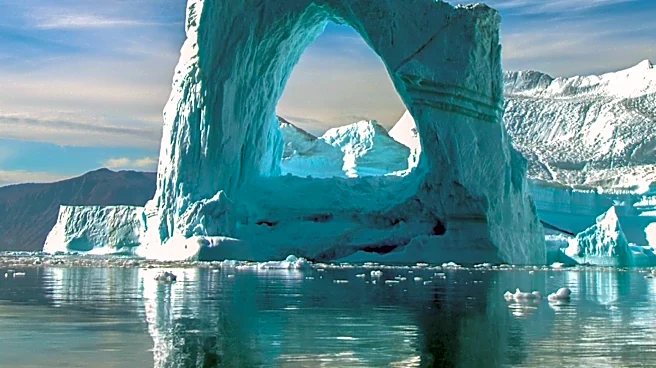
The Ross Ice Shelf, the largest ice shelf in the world, is a critical component in regulating global sea levels. Located in Antarctica, it spans an area roughly the size of Spain and plays a vital role in stabilizing the Antarctic ice sheet by acting
as a natural barrier to fast-moving glaciers. Scientists are closely monitoring the shelf due to its potential impact on global sea levels. If the Ross Ice Shelf were to collapse, it could lead to a significant rise in sea levels, potentially up to 5 meters, which would drastically alter coastlines worldwide. The shelf is currently experiencing basal melting, primarily due to warm ocean water intruding beneath it, although it remains relatively stable for now.
Why It's Important?
The stability of the Ross Ice Shelf is crucial for maintaining current sea levels. Its collapse could trigger a chain reaction, accelerating the flow of glacial ice into the ocean and leading to a substantial rise in sea levels. This would have profound implications for coastal communities around the world, potentially displacing millions of people and causing significant economic and environmental challenges. The situation underscores the importance of monitoring and understanding the dynamics of ice shelves in the context of climate change, as their stability is directly linked to global sea level rise.
What's Next?
Ongoing scientific monitoring and research are essential to predict and mitigate the potential impacts of changes in the Ross Ice Shelf. Scientists will continue to study the shelf's movement and melting patterns to better understand the risks and develop strategies to address the potential consequences of its collapse. International cooperation and policy-making will be crucial in preparing for and responding to the challenges posed by rising sea levels.