
What's Happening?
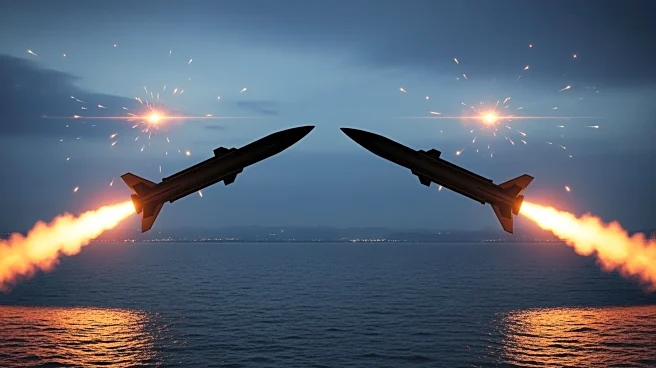
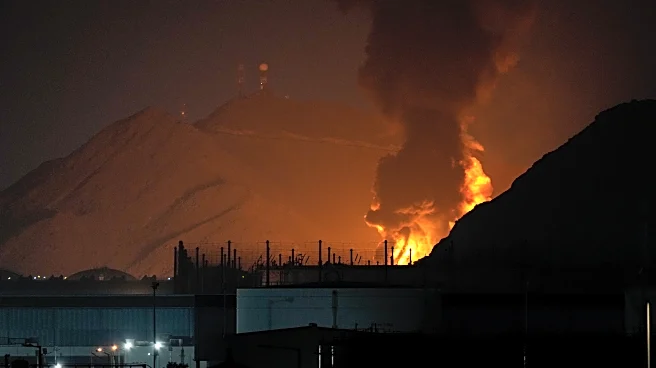
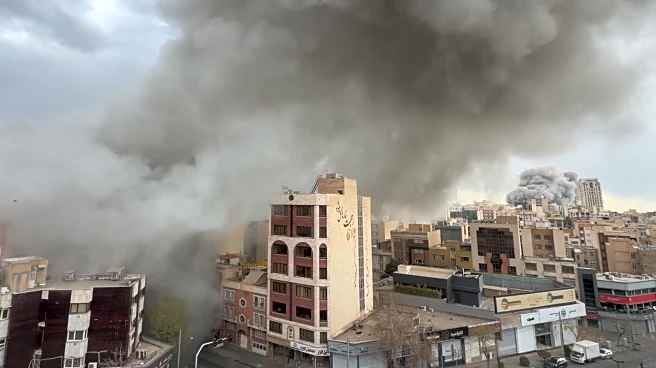
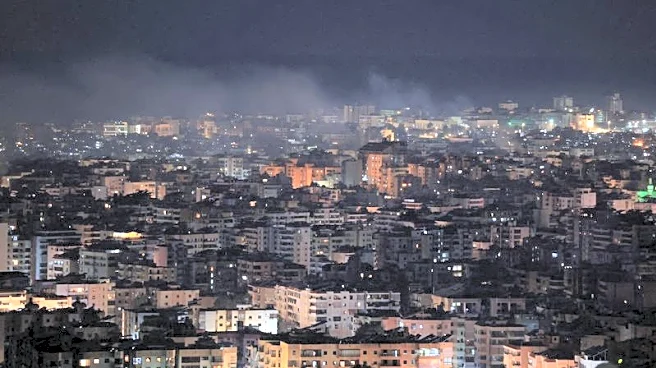
Government authorities in the Gulf states have issued warnings to residents and tourists about the legal consequences of sharing visual content related to Iran-launched strikes online. The warnings come amid a surge in social media posts showing incoming
missiles and drones being destroyed over various cities. The Dubai Police have cautioned that sharing false information or content compromising public safety could result in fines of at least 200,000 AED ($54,458) and up to two years of imprisonment. Bahrain's Ministry of Interior has arrested individuals for misusing social media platforms to broadcast Iranian strikes, while Kuwait's Ministry of Interior has urged residents to refrain from recording aerial threat neutralizations. These measures aim to maintain operational security and prevent misinformation.
Why It's Important?
The legal penalties imposed by Gulf states highlight the importance of operational security in regions affected by military conflicts. By restricting the dissemination of footage related to strikes, authorities aim to prevent the spread of misinformation and protect public safety. This approach is not uncommon in active combat zones, where unregulated sharing of sensitive information can compromise defensive positions and aid adversaries. The move underscores the delicate balance between freedom of expression and national security, as governments seek to control narratives and prevent panic among the population.
What's Next?
As tensions continue in the region, Gulf states may further tighten regulations on social media usage to ensure compliance with security protocols. Authorities might increase monitoring of online platforms and enforce stricter penalties for violations. This could lead to heightened scrutiny of digital content and increased collaboration with social media companies to manage the flow of information. Residents and tourists will need to remain vigilant about the content they share online to avoid legal repercussions.
Beyond the Headlines
The restrictions on sharing footage of military strikes raise ethical questions about censorship and the role of social media in conflict zones. While the measures aim to protect public safety, they also limit the ability of individuals to document and share their experiences. This could impact the transparency of military operations and the public's understanding of ongoing conflicts. The situation highlights the need for clear guidelines on responsible content sharing and the potential consequences of misinformation.