





What's Happening?
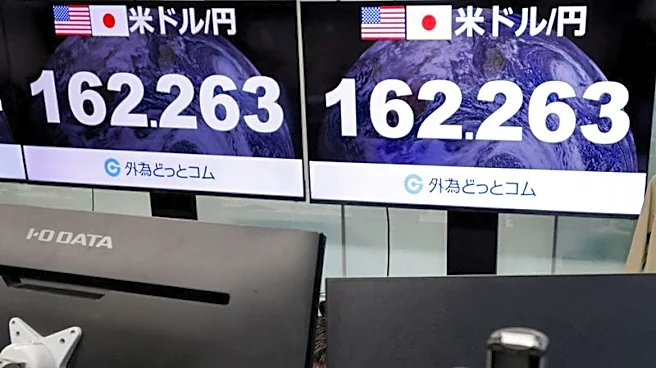
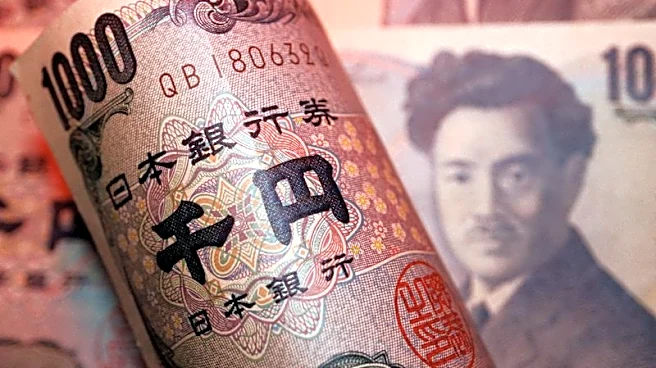
The Bank of Japan (BOJ) has indicated the possibility of an early interest rate hike, as underlying inflation approaches its 2% target. This announcement follows a suspected yen-buying intervention by the Japanese government to address the weak yen's
impact on import costs. BOJ Governor Kazuo Ueda emphasized the need to consider upside price risks in future policy discussions, with the next meeting scheduled for September. The BOJ's decision to keep short-term rates steady at 1% was expected, but the hawkish tone suggests a shift in focus towards inflationary pressures.
Why It's Important?
The BOJ's potential rate hike signals a significant shift in monetary policy, reflecting concerns over inflationary pressures exacerbated by a weak yen and rising import costs. This move could have broad implications for global financial markets, as Japan's monetary policy influences international trade and investment flows. A rate hike could strengthen the yen, impacting Japanese exports and the global supply chain. Additionally, the BOJ's actions may prompt other central banks to reassess their monetary policies in response to shifting economic conditions.
What's Next?
The BOJ's upcoming policy meeting in September will be closely watched for any changes in interest rates. Market participants will monitor the yen's performance and inflation trends, as these factors will influence the BOJ's decision-making process. The potential for further government intervention in currency markets remains, as authorities seek to stabilize the yen and mitigate inflationary impacts. The BOJ's actions will also be scrutinized for their effects on global economic stability and trade dynamics.