









What's Happening?
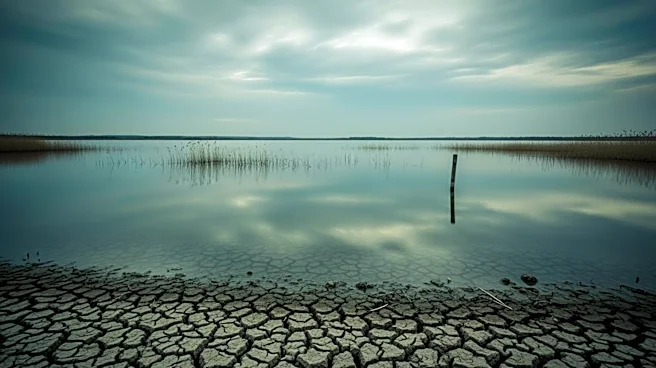
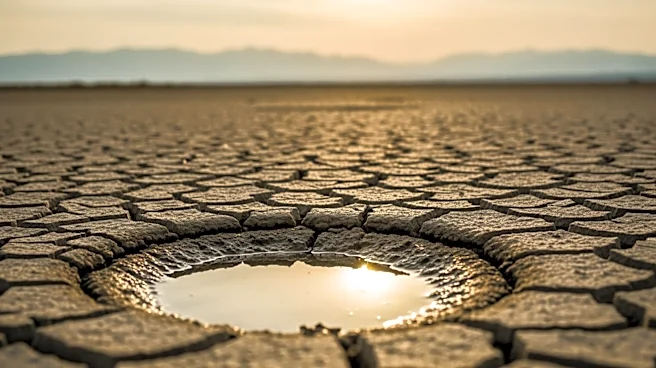
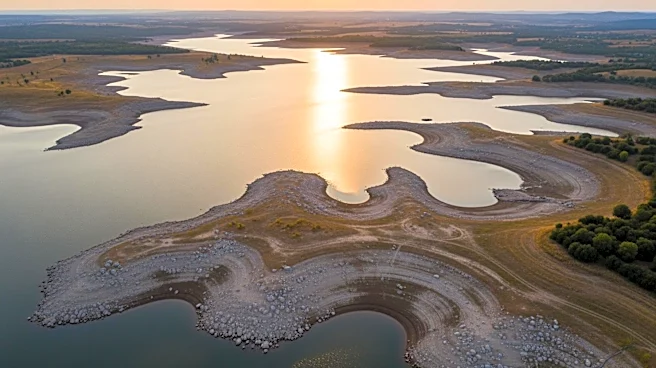
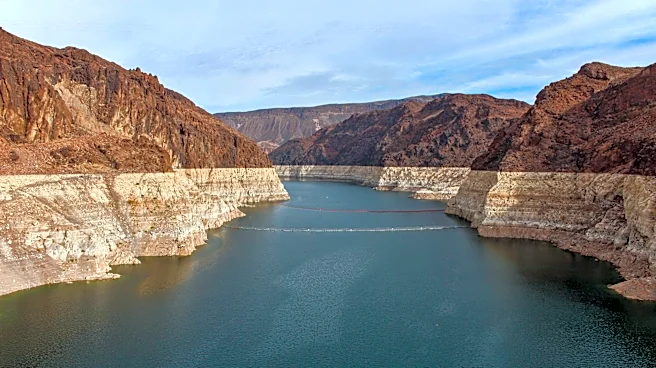
Aurora, Colorado, is experiencing significant water scarcity as the city's reservoir levels have dropped to just 55% of their full capacity. This situation highlights the ongoing challenges faced by the region in managing its water resources. The low
water levels are a result of various factors, including prolonged dry spells and increased water demand from the growing population. The city relies heavily on its reservoirs for water supply, making the current situation a pressing concern for local authorities and residents alike.
Why It's Important?
The low water levels in Aurora's reservoirs underscore the broader issue of water scarcity in the western United States, where many regions are grappling with similar challenges. This situation could have significant implications for local agriculture, industry, and residential water use, potentially leading to stricter water conservation measures and increased costs for consumers. The scarcity also raises concerns about the long-term sustainability of water resources in the area, prompting discussions on the need for improved water management strategies and infrastructure investments.
What's Next?
In response to the current water scarcity, Aurora officials may need to implement more stringent water conservation measures to manage the limited supply effectively. This could include restrictions on water usage for non-essential activities, such as lawn watering and car washing. Additionally, the city might explore alternative water sources or invest in technologies to enhance water efficiency. Public awareness campaigns could also play a crucial role in encouraging residents to adopt water-saving practices.