





What's Happening?
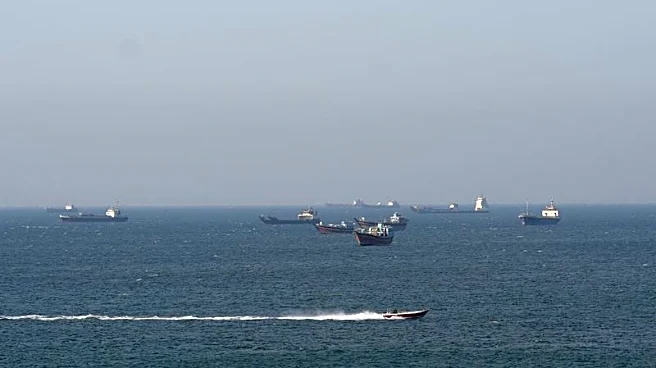
The United States and Iran are facing heightened tensions as a planned round of talks in Islamabad is jeopardized by renewed conflict in the Strait of Hormuz. Over the weekend, the U.S. seized an Iranian-flagged cargo vessel, accusing it of attempting
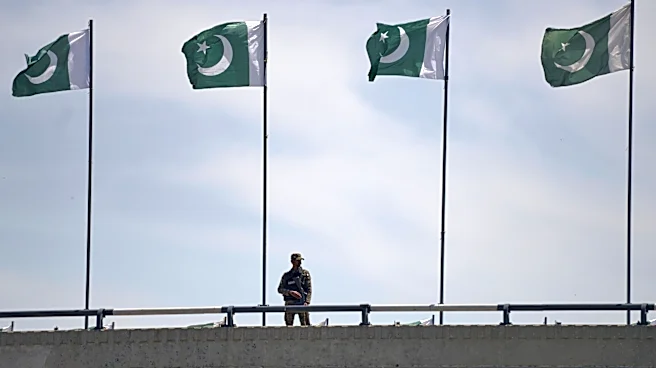
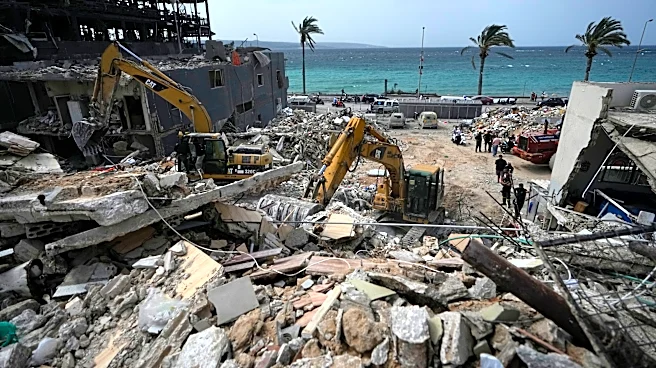
to breach a blockade. Iran has vowed to retaliate, accusing the U.S. of undermining diplomatic efforts. The situation is further complicated by a looming expiration of a ceasefire, with Pakistan pushing for talks to proceed as scheduled. The conflict has already resulted in significant casualties, with over 3,300 deaths reported in Iran since the onset of hostilities.
Why It's Important?
The Strait of Hormuz is a critical chokepoint for global oil trade, and disruptions there have significant implications for international energy markets. The conflict has already led to a spike in oil prices, exacerbating a global energy crisis. The potential breakdown of talks between the U.S. and Iran could further destabilize the region, impacting global economic stability and security. The situation underscores the fragile nature of international diplomacy and the far-reaching consequences of geopolitical conflicts.
What's Next?
The international community is closely monitoring the situation, with potential diplomatic interventions to prevent further escalation. The outcome of the planned talks, if they proceed, could influence future relations between the U.S. and Iran, as well as broader regional stability. Economic stakeholders are likely to respond to fluctuations in oil prices, while governments may consider strategic reserves and alternative energy sources to mitigate impacts.