





What's Happening?
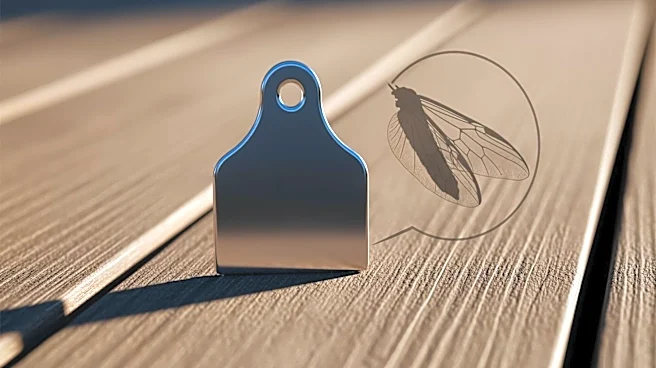
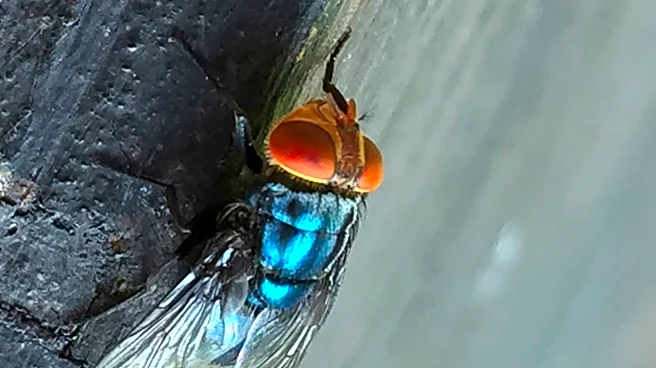
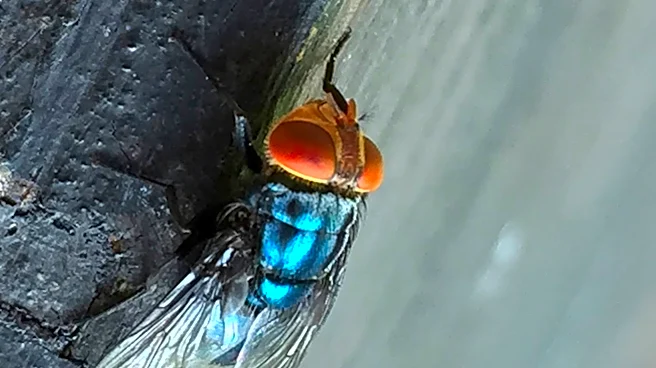
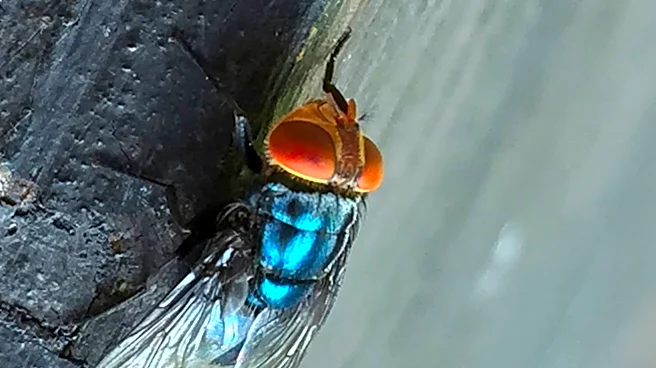
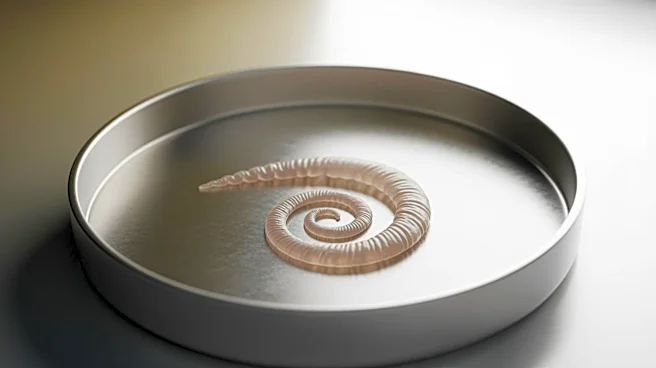
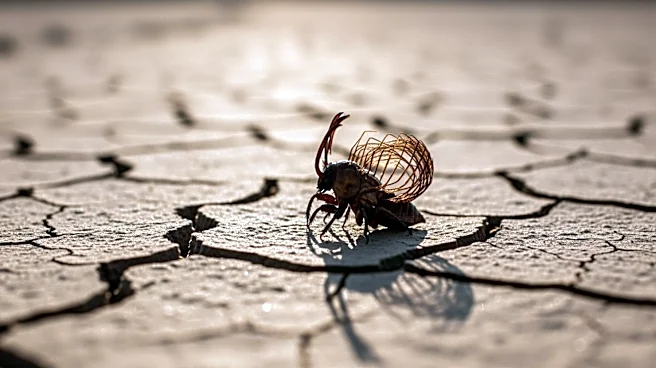
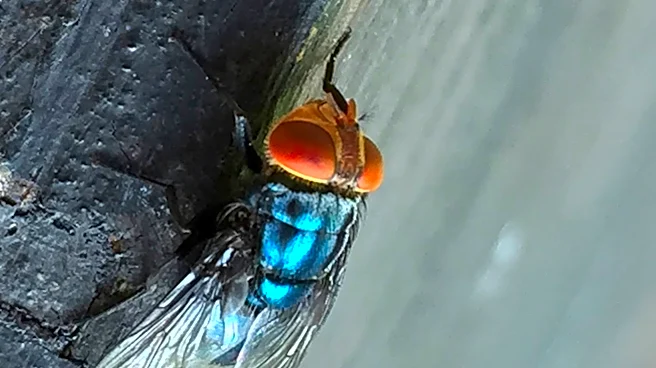
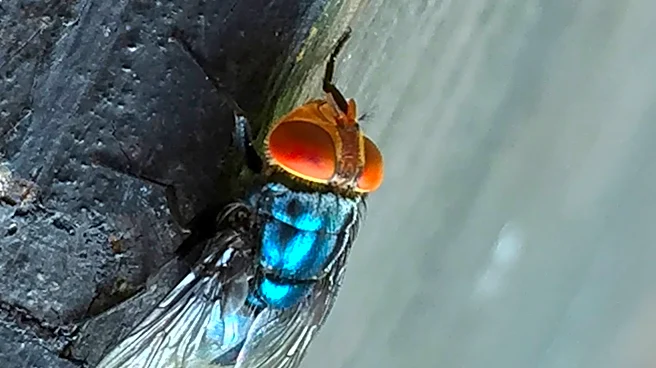
The U.S. Department of Agriculture (USDA) is addressing the spread of the New World screwworm, a flesh-eating parasite, beyond Texas. Recent cases have been confirmed in calves and a goat in Texas, and a dog in New Mexico. The screwworm, a fly larva,
infests living animals, posing a significant threat to livestock. The USDA is employing a strategy of releasing sterile flies to control the parasite's spread. Quarantine zones have been established around affected areas to prevent further infestation. The USDA aims to increase sterile fly production to halt the screwworm's return after winter.
Why It's Important?
The resurgence of the screwworm poses a severe threat to the U.S. cattle industry, which is already facing challenges due to high beef prices and a reduced cattle population. The parasite's spread could lead to significant economic losses for ranchers and impact beef supply chains. The USDA's efforts to control the screwworm are crucial to preventing a potential crisis in the cattle industry. The situation highlights the importance of effective pest management strategies and the need for continued investment in agricultural research and biosecurity measures.
What's Next?
The USDA plans to build a $750 million fly factory in Texas to increase the production of sterile flies. This long-term solution aims to eradicate the screwworm by 2027. Texas officials are urging ranchers to monitor their herds closely and report any signs of infestation. The USDA has set up a hotline and online resources for reporting cases. The situation may lead to increased scrutiny of livestock imports and biosecurity measures at the U.S.-Mexico border to prevent further spread.