





What's Happening?
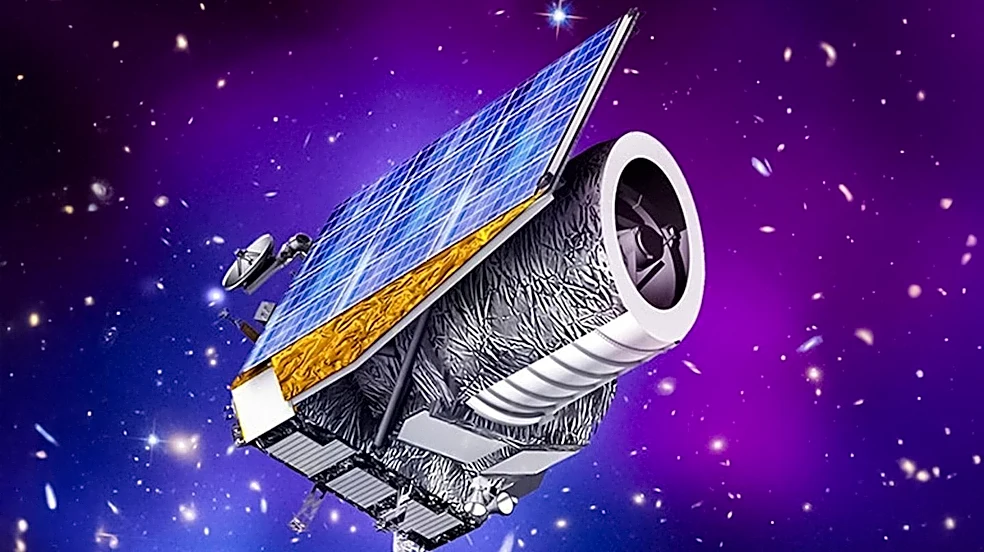
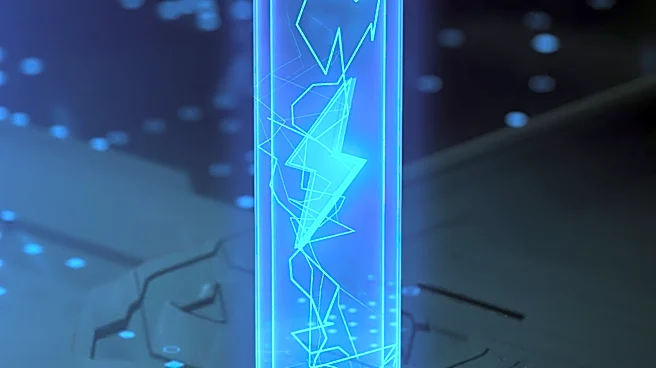
NASA has developed a new freeze-resistant solid-state battery technology, initially designed for lunar missions, that could have significant terrestrial applications. This revolutionary battery can function at extremely cold temperatures, enduring conditions
as low as -274 degrees Fahrenheit (-170 degrees Celsius) during thermal vacuum testing as part of NASA’s Solid Power for Extreme Environment Adaptability and Resilience in Space (SPEARS) project. While optimal performance is observed between -76 and +176 degrees Fahrenheit (-60 to 80 degrees Celsius), the batteries remained operational at even lower temperatures. Unlike traditional lithium-ion batteries that use flammable liquid electrolytes, these solid-state batteries offer enhanced safety and stability, avoiding freezing risks and poor performance in extreme heat. Although currently lab prototypes, NASA envisions potential spin-offs for electric vehicles (EVs), drones, mobile phones, and grid storage systems.
Why It's Important?
This NASA breakthrough holds substantial importance for U.S. industries, particularly in the electric vehicle and energy storage sectors. The enhanced safety, temperature tolerance, and efficiency offered by these solid-state batteries could address critical limitations of current lithium-ion technology. For EVs, this could translate into longer ranges in colder climates, mitigating the performance degradation often experienced during frigid winter months. For grid-scale energy storage, it could enable more reliable and efficient operation in diverse environmental conditions across the U.S. The technology's ability to withstand extreme temperatures also opens new possibilities for deploying electronics and power systems in challenging environments, from remote industrial sites to defense applications. This innovation could give U.S. manufacturers a competitive edge in the global battery market, fostering domestic job growth and reducing reliance on foreign battery technologies.
What's Next?
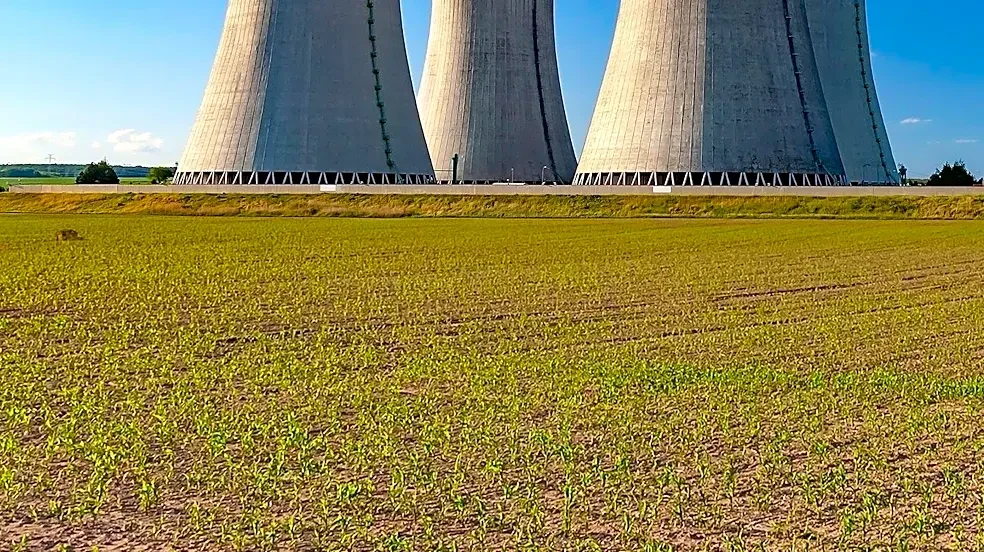
The next phase for this technology involves further development and scaling from lab prototypes to larger, more practical applications. While the batteries have not yet been demonstrated in space, their successful testing in extreme conditions suggests a promising path forward. NASA will continue its research and development, potentially seeking partnerships with private sector companies to explore and commercialize terrestrial applications. The transition from space-rated technology to consumer and industrial products will require significant investment in manufacturing processes and regulatory approvals. The EV industry, in particular, will be keen to integrate these advancements to improve battery performance and safety. Additionally, the collaboration between NASA and the U.S. Department of Energy on next-generation nuclear energy technologies indicates a broader national strategy to leverage space exploration advancements for domestic energy development.
Beyond the Headlines
Beyond the immediate applications, this development signifies a broader trend of space technology driving innovation in everyday life. The rigorous demands of space exploration often lead to breakthroughs that have unforeseen benefits on Earth. The shift towards solid-state batteries also addresses growing environmental and safety concerns associated with current battery technologies, particularly the flammability of liquid electrolytes. This could lead to a paradigm shift in battery design and manufacturing, prioritizing safety and durability alongside energy density. The long-term implications include a more sustainable and resilient energy infrastructure, reduced carbon emissions through more efficient EVs, and enhanced capabilities for various electronic devices. This NASA-led innovation reinforces the idea that investments in scientific research and space exploration yield tangible returns for national economic and technological advancement.