






What's Happening?
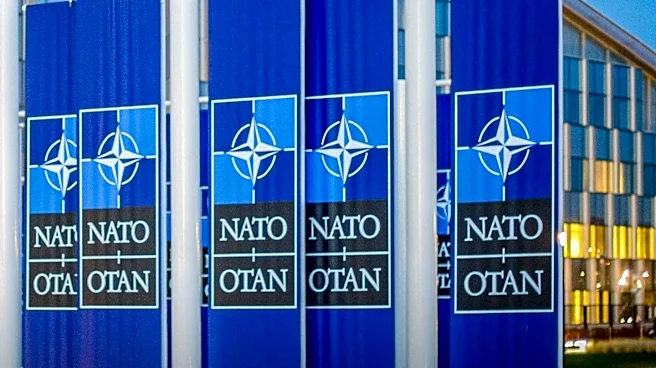
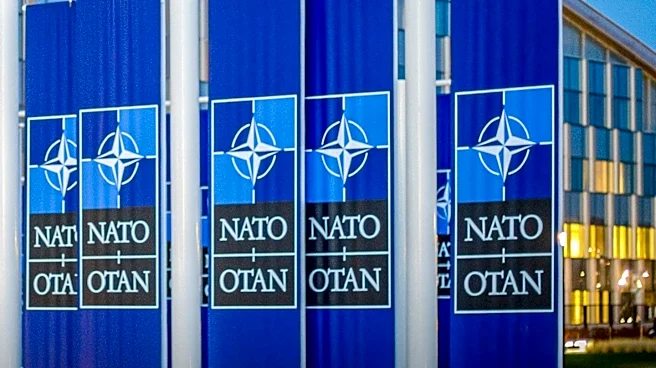
NATO has provided support for the Partnership for Peace Consortium in publishing the Hybrid Threats and Hybrid Warfare Reference Curriculum in June 2024. This curriculum is designed as a multinational educational resource, distinguishing itself from formal
NATO policy declarations or legally binding instruments. It addresses the ongoing diversity in definitions and approaches to hybrid warfare, examining the interplay between military and civilian vulnerabilities, information activities, and national resilience. The curriculum aims to provide a comprehensive understanding of hybrid warfare, which involves combining military and nonmilitary methods to achieve strategic objectives, including conventional armed forces, irregular fighters, cyber operations, disinformation, economic coercion, and covert political interference. NATO's broader response to hybrid threats includes military preparedness, intelligence cooperation, cyber defense, strategic communications, and national resilience, as outlined in its 2014 Wales Summit Declaration and subsequent alliance declarations.
Why It's Important?
The development of a standardized reference curriculum for hybrid warfare is crucial for enhancing the understanding and response capabilities of NATO member states and partners. Hybrid threats, which can operate below the threshold of armed conflict, pose significant challenges to national security by targeting critical infrastructure, political institutions, and public confidence. By providing a common educational framework, the curriculum helps to harmonize approaches to identifying, deterring, and countering these complex threats. This initiative is vital for ensuring that military and civilian leaders are equipped with the knowledge to address multifaceted campaigns that blend conventional and unconventional tactics, thereby strengthening collective defense and resilience against evolving security challenges. The curriculum's focus on the relationship between military and civilian vulnerabilities underscores the need for a whole-of-government approach to national security.
What's Next?
The Hybrid Threats and Hybrid Warfare Reference Curriculum will serve as a foundational educational tool for defense academies and security studies institutes within the Partnership for Peace Consortium. Its implementation is expected to foster greater consistency in understanding and addressing hybrid threats across participating nations. NATO will likely continue to integrate the insights from this curriculum into its strategic planning, exercises, and intelligence cooperation efforts. Future developments may include specialized training programs, updated policy guidelines, and enhanced coordination mechanisms to operationalize the curriculum's principles. The ongoing evolution of hybrid threats will necessitate continuous updates and refinements to the curriculum, ensuring its relevance in a dynamic security landscape. The emphasis on national resilience suggests a continued focus on strengthening societal defenses against various forms of interference.
Beyond the Headlines
The creation of this curriculum highlights a broader shift in international security thinking, moving beyond traditional military-centric approaches to encompass a wider spectrum of threats. It acknowledges that modern conflicts often involve non-military instruments and target societal vulnerabilities, blurring the lines between war and peace. This initiative also underscores the legal complexities of hybrid warfare, as international law does not recognize it as a distinct legal category. Therefore, each action within a hybrid campaign must be assessed under existing legal frameworks, such as the law governing the use of force, international humanitarian law, and state responsibility. The curriculum's role as an educational resource, rather than a binding policy, reflects the ongoing debate and evolving understanding of how to legally and strategically categorize and respond to these ambiguous forms of aggression. This intellectual effort is critical for maintaining stability in an increasingly interconnected and contested global environment.