





What's Happening?
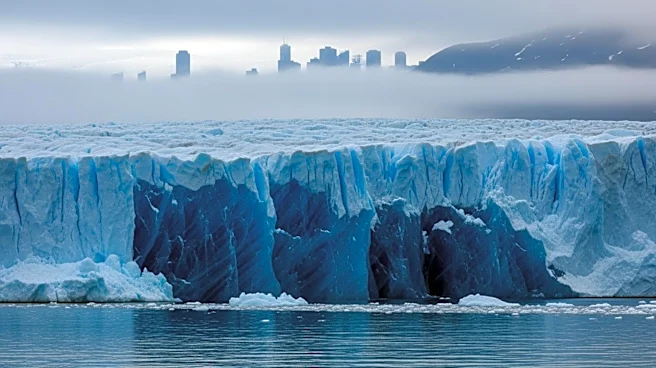
Scientists are raising alarms about the Thwaites Glacier in West Antarctica, often referred to as the 'doomsday glacier,' due to its potential to significantly raise global sea levels. The glacier is currently experiencing rapid ice loss, with a net loss of over
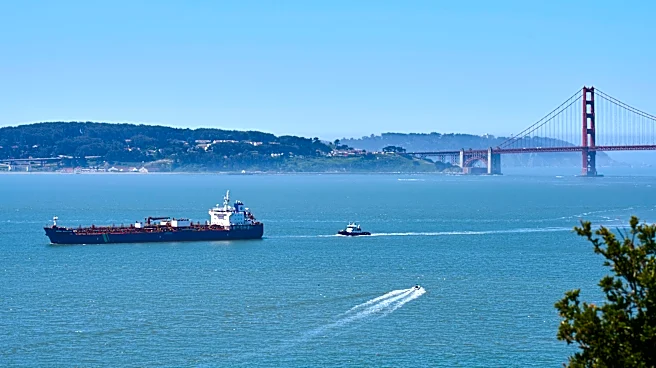
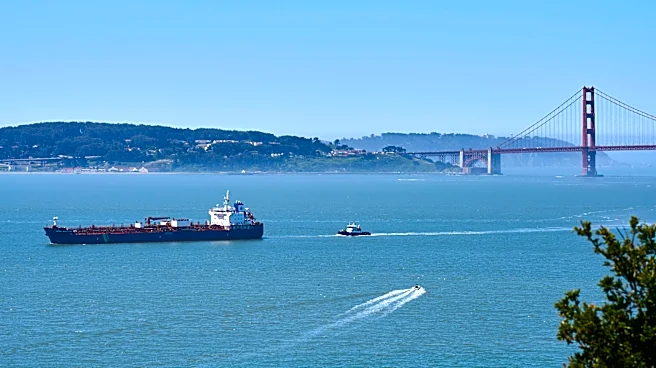
1 trillion tons since 2000. This instability is causing concern among researchers, as the glacier's collapse could lead to a dramatic rise in sea levels, potentially up to 3 meters (nearly 10 feet). Such an increase would have severe implications for the U.S. coastline, threatening major cities from Florida to California with chronic flooding. The National Oceanic and Atmospheric Administration (NOAA) has projected that a 3-meter rise in sea levels would inundate significant portions of the U.S. coastline, affecting urban areas and infrastructure. Cities like New York, Miami, and San Francisco, along with numerous others, could face severe flooding risks.
Why It's Important?
The potential collapse of the Thwaites Glacier poses a significant threat to U.S. coastal cities, which are home to millions of people and critical infrastructure. A rise in sea levels could lead to widespread displacement, economic losses, and challenges in urban planning and disaster management. The impact on real estate, insurance, and local economies could be profound, as areas become uninhabitable or require extensive adaptation measures. Additionally, the environmental impact would be substantial, affecting ecosystems and wildlife habitats along the coast. The situation underscores the urgent need for climate change mitigation and adaptation strategies to protect vulnerable regions and manage the risks associated with rising sea levels.
What's Next?
As the situation with the Thwaites Glacier evolves, scientists and policymakers will need to closely monitor its stability and potential impacts. Efforts to model and predict the glacier's behavior will be crucial in preparing for possible outcomes. Coastal cities may need to accelerate their climate adaptation plans, including building sea walls, improving drainage systems, and considering managed retreat in some areas. International cooperation and investment in climate research and infrastructure resilience will be essential to address the challenges posed by rising sea levels. Public awareness and engagement will also play a critical role in driving policy changes and community preparedness.
Beyond the Headlines
The potential collapse of the Thwaites Glacier highlights broader issues related to climate change and its impact on global sea levels. It serves as a stark reminder of the interconnectedness of global ecosystems and the far-reaching consequences of environmental changes. The situation also raises ethical questions about responsibility and equity, as the effects of climate change disproportionately impact vulnerable communities. Long-term, the event could catalyze shifts in policy and public perception, emphasizing the need for sustainable practices and international collaboration to address climate challenges.