




What's Happening?
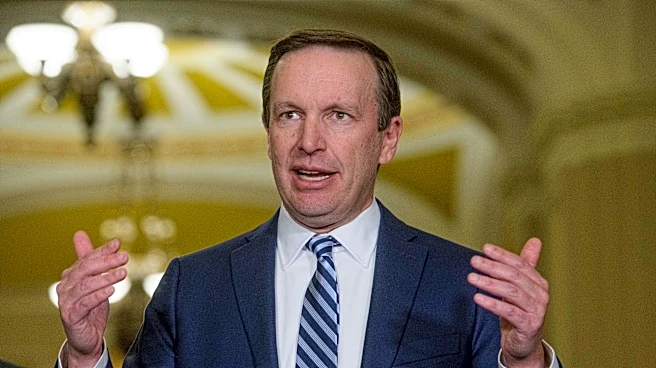
U.S. Senator Chris Murphy, a Democrat representing Connecticut, was hospitalized after experiencing a stroke. His office confirmed the incident on Sunday, November 1, 2026. Senator Murphy, 53, began experiencing numbness in his arm on Saturday while attending
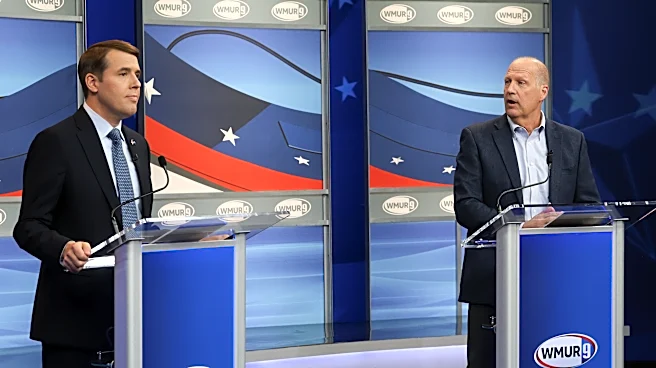
his son’s hockey game. He was initially taken to a local hospital and subsequently transferred to Johns Hopkins for further monitoring and treatment. According to Allison Herwitt, Murphy's chief of staff, doctors are encouraged by his progress, and he is awake and alert. The office expressed optimism for his full recovery. Senator Murphy had been actively campaigning in Connecticut and several swing states for Democratic candidates in the midterm elections, despite not being on the ballot himself for the upcoming Tuesday election. He had planned to campaign in New Hampshire on Sunday with U.S. Rep. Chris Pappas.
Why It's Important?
The hospitalization of a sitting U.S. Senator due to a stroke is a significant event that can impact legislative activities and political dynamics, even if temporary. While Senator Murphy is not up for re-election in the immediate future, his health status could affect his ability to participate in Senate proceedings and his ongoing political engagements. As a prominent figure, his absence, even for a short period, could shift the balance in certain legislative debates or committee work. His active role in campaigning for other Democratic candidates highlights his influence within the party, and his temporary incapacitation could affect the momentum of those campaigns. The incident also underscores the demanding nature of public service and the potential health challenges faced by elected officials, which can have broader implications for governance and representation.
What's Next?
Senator Murphy is currently undergoing treatment at Johns Hopkins, and his office anticipates a full recovery. The immediate focus will be on his health and rehabilitation. While his office has not provided a specific timeline for his return to full duties, his recovery will determine his re-engagement in legislative work and public appearances. His absence from planned campaign events, such as the one in New Hampshire, will necessitate adjustments in campaign schedules for the candidates he was supporting. The political community will likely monitor his health closely, and his return to the Senate will be a key indicator of his recovery progress. The incident may also prompt discussions about the health and well-being of elected officials, particularly given the rigorous demands of their roles.
Beyond the Headlines
This event brings to light the personal toll that public service can take on individuals, often requiring them to maintain demanding schedules that can impact their health. The swift and transparent communication from Senator Murphy's office regarding his condition is crucial for maintaining public trust and providing clarity during a health crisis involving a public figure. Such incidents can also serve as a reminder of the importance of health awareness and early detection of medical conditions, even for those in high-profile positions. The support and well wishes from colleagues and constituents will likely be a significant factor in his recovery process, highlighting the human element within the political sphere. The event also subtly underscores the interconnectedness of political figures, as his campaigning efforts for other candidates demonstrate the broader network of support within political parties.