








What's Happening?
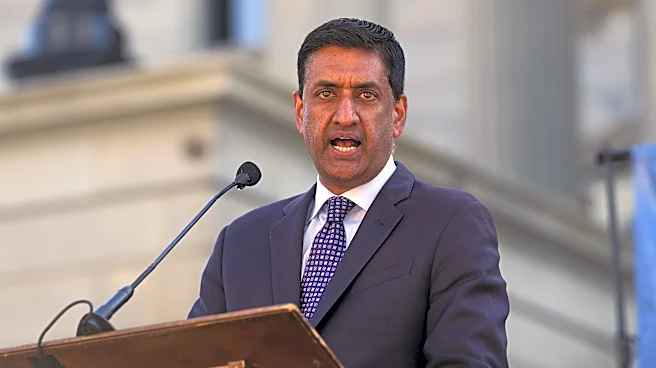
California Attorney General Rob Bonta has filed a lawsuit against the U.S. Department of Education in a U.S. district court, aiming to prevent the termination of mental health funding for schools. This legal action, supported by fourteen other attorneys
general, challenges the Department's decision to end funding for the Mental Health Service Professional Demonstration and School-Based Mental Health Services grant programs. These grants, which awarded over $250 million in 2025, are crucial for addressing shortages of mental health professionals in schools, such as counselors and psychologists. California alone received more than $11 million from these grants. This lawsuit marks the Department's second attempt to cut these grants, with a previous attempt being deemed illegal by a U.S. district court in December 2025. The attorneys general have also filed for a preliminary injunction to maintain the funding until a final court decision is made.
Why It's Important?
The lawsuit underscores the critical role of mental health services in educational settings, particularly in addressing the shortage of mental health professionals in schools. The potential termination of these grants could significantly impact the availability of essential mental health support for students, which is vital for their well-being and academic success. The legal action reflects broader concerns about federal funding priorities and the need to uphold commitments to mental health services in education. The outcome of this lawsuit could set a precedent for how mental health funding is managed at the federal level, affecting schools across the nation. Stakeholders, including educators, mental health professionals, and policymakers, are closely watching the case, as it could influence future funding decisions and the availability of mental health resources in schools.
What's Next?
The court's decision on the preliminary injunction will be a critical next step, determining whether the funding will continue while the lawsuit is pending. If the injunction is granted, it will temporarily secure the funding, allowing schools to maintain their mental health services. The case could prompt further legal and political debates about the federal government's role in funding mental health services in education. Depending on the outcome, there may be increased advocacy efforts from educational and mental health organizations to ensure sustained funding. Additionally, the lawsuit could influence future legislative actions aimed at protecting or expanding mental health funding in schools.